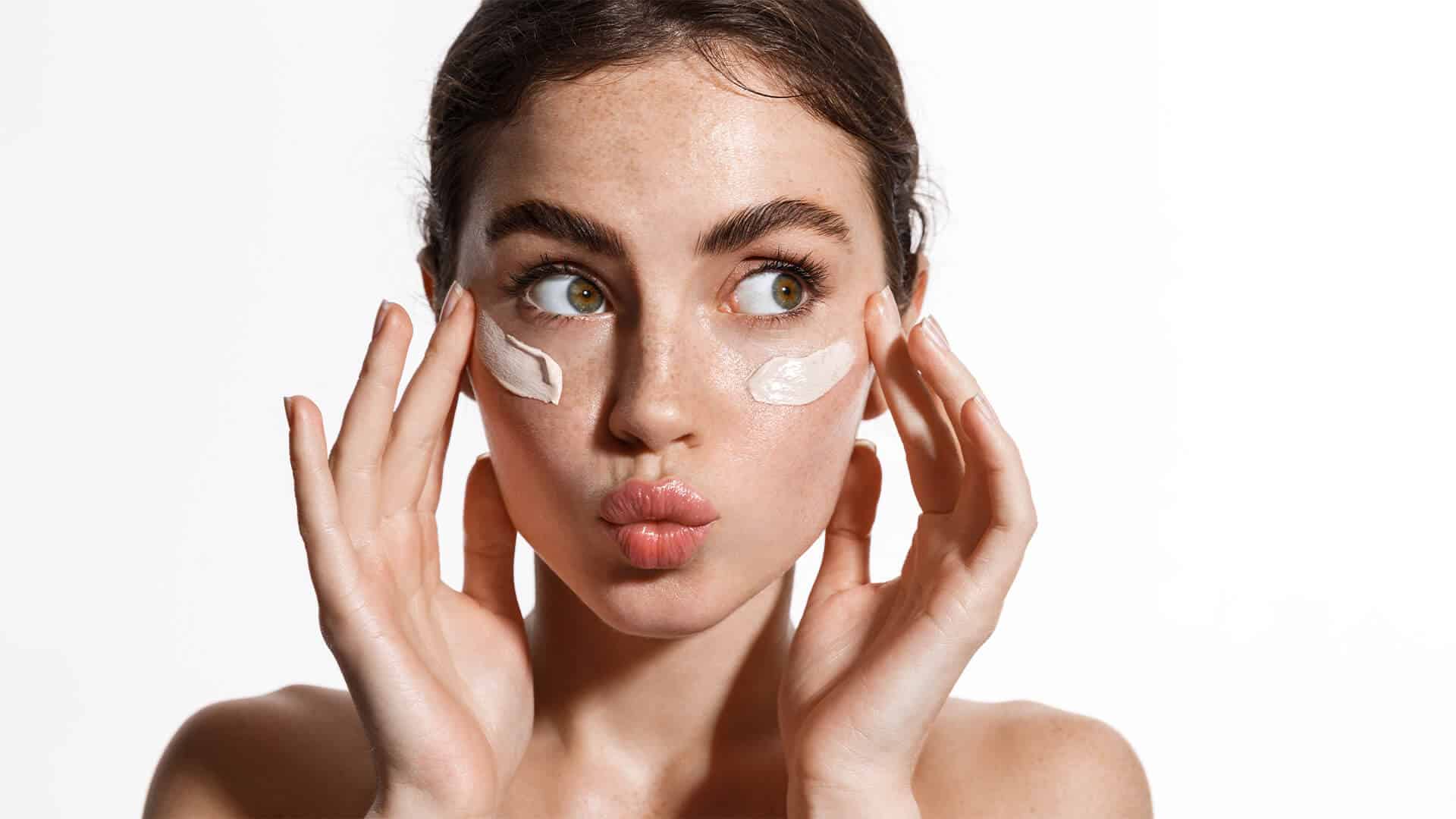
In a place like Singapore, where the sun blazes year-round and the air is thick with humidity, your skin deserves more than generic skincare. It needs formulas that protect and perform. That’s why more brands are partnering with private label skin care labs to develop products that perform in real-world conditions, not just look good on a shelf.
Skincare in a tropical climate isn’t just about trends; it’s also about ingredients that can handle the heat, sweat and daily grind. This is where PLDL (Private Label Derma Lab) leads the way, offering custom skincare formulations tailored specifically for tropical climates. We are here to help brands craft serums that hydrate without heaviness, sunscreens that shield without clogging, and cleansers that clean deep without stripping.
If you’re building a skincare line, knowing what goes into the formula is everything. From serums to sunscreens to cleansers, here’s a breakdown of key ingredients to prioritise when working with private label skincare labs to develop products that can withstand heat, humidity, and daily skin stress.
Serums Should Be Lightweight And Deliver Targeted Hydration:
In a tropical climate like Singapore’s, your skin deals with a tricky combo: excess oil on the surface, dehydration underneath and frequent exposure to air-conditioning and UV rays. That’s why serums need to strike the perfect balance – hydrating deeply without feeling heavy or greasy. The wrong formula can clog pores, trigger breakouts, or leave skin feeling slick and suffocated.
When it comes to private label skin care products, the most effective serums for humid environments focus on lightweight actives that absorb quickly and don’t sit on the skin.
Look for :
- Niacinamide
It is a powerhouse for balancing oil production, minimising the appearance of pores, and improving overall skin texture. It also soothes inflammation, making it perfect for calming skin stressed by heat, sweat and pollution. - Hyaluronic Acid (Low-Molecular-Weight)
Low-molecular-weight Hyaluronic Acid penetrates deeper layers of the skin to deliver long-lasting hydration without feeling heavy or sticky. - Vitamin C (Ascorbyl Glucoside / MAP)
Gentle Vitamin C derivatives such as Ascorbyl Glucoside and Magnesium Ascorbyl Phosphate (MAP) brighten the skin and offer strong antioxidant protection. They’re gentler on the skin than pure ascorbic acid, making them perfect for daily use in hot, humid weather. - Green Tea Extract
Green Tea Extract is rich in antioxidants that neutralise free radicals caused by sun exposure and urban pollution. It also has anti-inflammatory properties that help reduce redness and soothe reactive skin. - Zinc PCA
Zinc PCA helps regulate sebum production, making it a go-to ingredient for oily or acne-prone skin in tropical, humid climates. It also offers antibacterial protection, helping to keep pores clean and breakouts under control.
Avoid:
Thick silicones, occlusive oils, or rich emollients, as they might seem indulgent, but in hot, humid weather, they’re more likely to clog pores and trap sweat.
Sunscreens Should Be Sweat-Resistant And Non-Greasy:
In a tropical climate like Singapore’s, sunscreen is your first line of defence. But not all sunscreens are built for heat and humidity. With intense daily UV exposure and high humidity, heavy or poorly formulated sunscreens can clog pores, slide off your skin, or leave behind a sticky, greasy layer. That’s why sunscreen for tropical weather needs to do more than block rays. A well-formulated sunscreen for the tropics should feel invisible, perform under pressure, and never compromise your skin’s comfort or clarity.
Look for:
- Zinc Oxide / Tinosorb S or M
These are stable, broad-spectrum UV filters that provide strong protection against both UVA and UVB rays. They’re also less likely to cause irritation, making them ideal for sensitive, acne-prone, or reactive skin types. - Silica or Matte Agents
Silica and other mattifying agents help absorb excess oil and reduce unwanted shine throughout the day. They also improve the skin feel of the sunscreen, giving it a smoother, more breathable finish. - Antioxidants (Vitamin E, Ferulic Acid)
Antioxidants like Vitamin E and Ferulic Acid enhance the effectiveness of UV filters by neutralising free radicals. They also help calm sun-induced inflammation and support the skin’s natural repair process. - Water-Resistant Formulations
Water-resistant sunscreens are essential in humid, sweat-prone conditions to ensure the formula stays intact. They help maintain consistent UV protection even when skin is exposed to moisture or perspiration.
Avoid:
Rich emollients or greasy finishes, as they might provide hydration, but in this environment, they can trap sweat, clog pores, and make skin feel suffocated.
Cleansers Should Clean Deep Without Stripping Skin:
A good cleanser needs to do the heavy lifting without wrecking your skin barrier. Harsh cleansers might leave your face feeling squeaky clean, but they also strip away essential moisture, leading to irritation, rebound oiliness, or breakouts. The key? A formula that’s strong enough to clear out grime but gentle enough to respect your skin’s natural balance.
Look for:
- Mild Surfactants (Decyl Glucoside, Coco-Glucoside)
These gentle surfactants remove dirt, oil, and residue without stripping away your skin’s natural barrier. They’re safe for everyday use and work well for all skin types, including sensitive or easily irritated skin.
- Salicylic Acid
A go-to for oily or acne-prone skin, salicylic acid dives deep into pores to clear out excess sebum and prevent congestion. It also helps exfoliate the skin gently, keeping it smooth and breakout-free in humid conditions. - Tea Tree Oil / Witch Hazel (in moderation)
These natural astringents help reduce oil and tighten pores without being overly harsh. When used in the right concentration, they can purify the skin and calm inflammation caused by sweat or environmental stress. - Glycerin or Aloe Vera
Both ingredients help restore moisture after cleansing, ensuring your skin doesn’t feel dry or tight. Glycerin draws in hydration, while Aloe Vera soothes and cools.
Avoid:
Sulfates, alcohol-heavy formulas, and strong synthetic fragrances, as these can irritate the skin, cause dryness, or trigger sensitivity. In a tropical environment, stripping your skin only makes things worse.
Conclusion:
When it comes to skincare in tropical climates, ingredients matter just as much as branding, if not more. The right formulations are what separate products that just sit on the skin from those that actually work..
Whether you’re looking to formulate a serum, sunscreen or cleanser, every choice should be guided by what works in real-world tropical conditions. That’s where PLDL (Private Label Derma Lab) comes in, helping brands create high-performance skincare that’s light, effective, and climate-smart. Ready to develop skincare that stands up to Singapore’s weather? Partner with us and bring your humidity-proof, clarifying and rejuvenating skincare line to life.