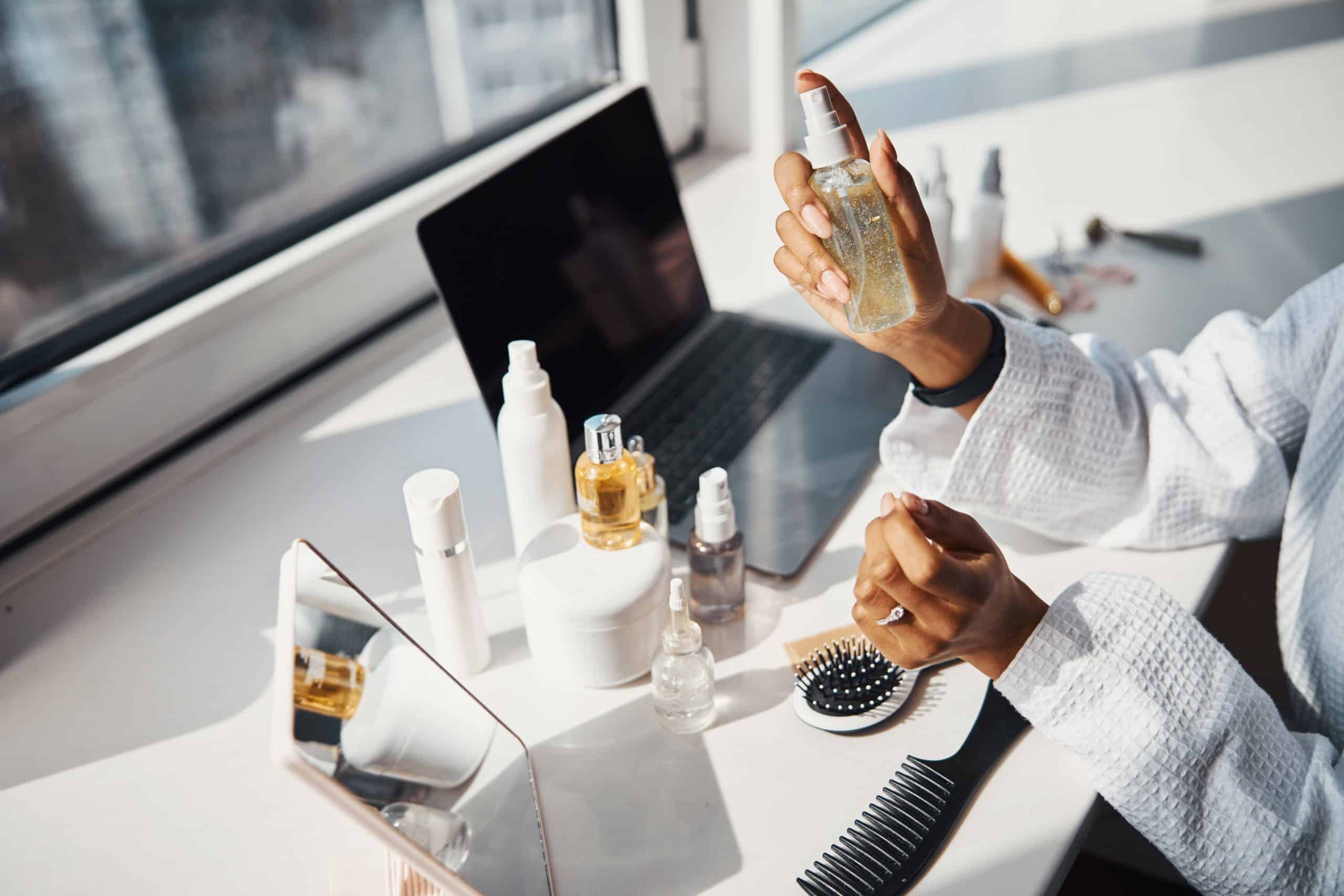
WELCOME TO PRIVATE LABEL DERMA LAB (PLDL)

What to Consider When Starting a Beauty Business?

Starting a beauty business is an exciting opportunity, especially with the booming beauty market in Asia. With growth projected at a strong 6.7% annually from 2023 to 2027 across Asia and approximately 1.03% growth, specifically in Singapore, the potential for success is immense. So, if you’ve been thinking about taking the plunge into the beauty industry, now is a great time.

However, when starting a beauty business, it’s essential to consider what factors and strategies will support your brand’s growth and set it up for success.

How to Start a Beauty Business?

Starting a beauty business involves several steps to ensure your brand stands out and thrives in the market.

1. Choosing a Niche

When starting a beauty brand, finding a niche is important to stand out in a crowded market. Start by exploring what’s trending and where the gaps are. Is there a demand for natural skincare or perhaps a lack of inclusive beauty products? Tapping into these preferences or emerging trends will allow your brand to carve out a distinct image that can attract a dedicated customer base.

2. The Right Business Model

There are several business models to consider when starting a beauty brand, each with its benefits. Some examples of common business models include:

  • Brick-and-Mortar: A physical store allows you to create a personal, immersive experience where customers can interact with your products directly.
  • Online Retail: Running an online beauty business provides flexibility, lower overhead, and global reach, allowing you to connect with customers anytime, anywhere.
  • Affiliate Model: Partnering with influencers or bloggers lets you tap into their established audiences, driving sales with minimal investment.
  • Bricks and Clicks: Combining physical stores with an online presence ensures you reach in-person and digital customers, maximising your brand’s exposure.

3. Legal Structure of Your Business

Besides choosing the right business model, selecting the appropriate legal structure is critical for your beauty business. For instance, in Singapore, you can choose from several structures, such as:

  • Sole Proprietorship: Full control but no personal liability protection.
  • Partnership: Shared ownership and responsibility with one or more partners.
  • Limited Partnership (LP): Combines general partners with limited partners who have limited liability.
  • Limited Liability Partnership (LLP): Offers personal liability protection while allowing shared management.
  • Company (Corporation): Provides complete liability protection and can raise capital through shares.

Additionally, ensure your beauty business adheres to specific licensing requirements and industry regulations for health, safety, and product standards.

4. In-House Production or Contract Manufacturing

You’ll need to decide whether to produce your beauty products in-house or partner with a contract manufacturer.

In-house production gives you complete control over product quality and branding but requires significant investment in equipment, space, and expertise. If you’re not ready for that level of commitment, contract manufacturing is a practical solution. Partnering with an established beauty manufacturer allows you to leverage their experience in production, ensure consistent quality, and meet industry compliance standards.

5. Creating an Appealing Product Packaging

Your product packaging is a critical part of your brand identity. Appealing design not only attracts customers but also communicates the essence of your brand. Consider elements like colour, typography, and materials while ensuring clear labelling with essential product information.

A well-designed packaging can elevate your product’s perceived value, making it more appealing to customers and allowing you to set a higher price point.

6. Inventory Management

Running out of stock or overstocking can be a real headache, but with proper inventory management, you can avoid both and keep your business running smoothly. By staying on top of your stock levels, you’ll ensure customers never leave empty-handed.

Consider using inventory software and incorporating demand forecasting to help you keep track of stock levels and adjust orders as needed.

7. Distribution of Your Manufactured Beauty Products

Effective distribution is key to getting your beauty products into customers’ hands. For instance, you can leverage direct-to-consumer methods like online stores or retail partnerships with beauty salons, spas, or department stores. Whatever option you choose, ensure your distribution channels are reliable and scalable to meet demand.

8. Building a Strong Brand and Marketing Strategy

Once your products are ready, your website is live, and your operations are in place, it’s time to ramp up your marketing efforts. Building a strong brand image is vital to stand out in a competitive market.

If you’re running an online beauty business, consider investing in SEO. This approach can help your website rank higher in search results, making it easier for your target customers to find your products. You can also hire social media strategists to craft compelling content and grow your brand on platforms like Instagram, Facebook, and TikTok to reach a broader audience.

With these marketing efforts in place, you can possibly attract more customers, increase brand awareness, and create lasting loyalty for long-term growth.

Ready to Launch Your Beauty Business?

Starting a beauty business is an exciting journey, and with the right strategies in place, you can carve out your place in the market. To streamline the launch and establishment of your beauty brand, consider working with a custom beauty products manufacturer and digital marketer like Private Label Derma Lab (PLDL).

By partnering with professionals, you can access the guidance and support needed to bring your beauty products to market, build a strong online presence, and establish a solid foundation for growth.
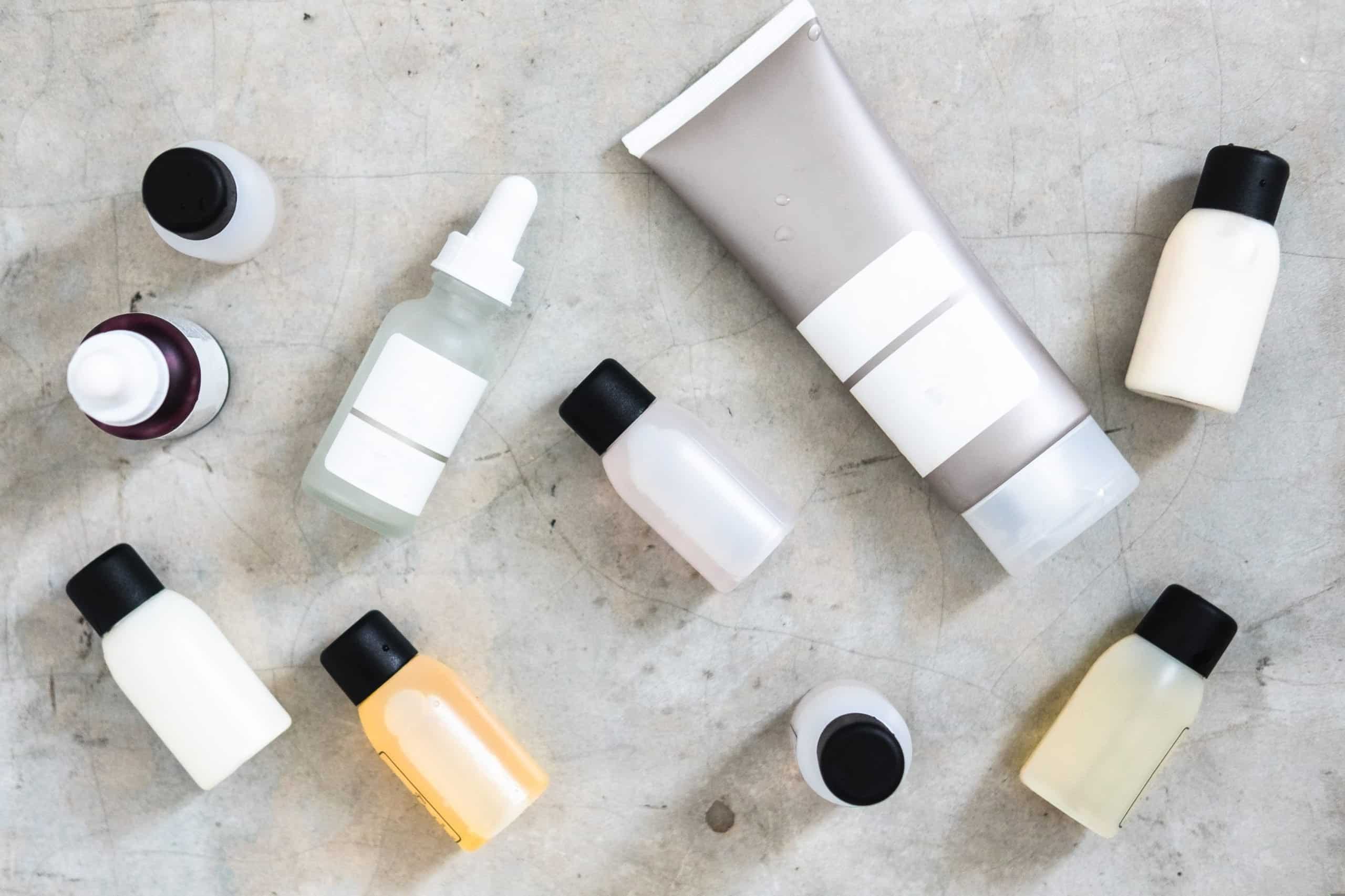
beauty / beauty business / beauty consumer trends / beauty product trends / cosmetic filling and packaging / private label cosmetic manufacturers / starting a beauty business / trends in the beauty industry /

What is the Main Ingredient in Acne Products?

If you’re a skincare or beauty entrepreneur looking to develop anti-acne products for your brand, identifying what ingredients are good for acne treatment is vital to make informed decisions.

Ingredients for Acne Products

In acne product formulations, different ingredients serve specific purposes, from controlling oil to reducing inflammation. Understanding how each ingredient for acne works and how they align with your product’s goals is essential to ensure you develop solutions that meet your customers’ needs.

Acne Ingredient #1: Salicylic Acid

Salicylic acid is an active ingredient often used for products targeting mild to moderate pimple concerns. It works by exfoliating the skin, helping to unclog pores by removing dead skin cells and excess oil, which can otherwise contribute to acne breakouts.

It can be included in various formulations, such as cleansers, toners, serums, and spot treatments, making it a versatile option for creating comprehensive acne products.

Acne Ingredient #2: Benzoyl Peroxide

Benzoyl peroxide is an acne-fighting ingredient that reduces acne-causing bacteria on the skin. Preventing these bacteria’s growth helps minimise the risk of new acne breakouts, including cystic lesions. However, it can sometimes cause dryness or irritation when first used.

Thus, consider offering acne products with varying concentrations of benzoyl peroxide, as users are typically advised to start with a lower concentration and then gradually increase as their skin adjusts.

Acne Ingredient #3: Niacinamide

Another ingredient commonly found in acne products is niacinamide. This versatile compound can be used in various formulations, including serums, toners, moisturisers and masks.

Essentially, niacinamide helps calm inflammatory acne like papules and pustules. It also helps improve skin texture, enhance the skin’s barrier function, and reduce redness and hyperpigmentation, which can be common concerns for acne-prone skin.

Acne Ingredient #4: Azelaic Acid

Azelaic acid has antibacterial properties that help minimise the growth of bacteria associated with acne. It also has pigment-reducing qualities, potentially helping to even out skin tone and reduce the appearance of discolouration.

Furthermore, its gentle nature often makes it suitable for sensitive skin, offering an option for customers seeking a milder approach to acne treatment.

Acne Ingredient #5: Hyaluronic Acid

In acne treatments, hyaluronic acid works by maintaining skin hydration and preventing excessive dryness that can trigger an increase in oil production, leading to breakouts. Therefore, including hyaluronic acid in your acne product formulations can help you address your customers’ hydration needs and promote healthier-looking skin.

Acne Ingredient #6: Alpha Hydroxy Acids

Alpha hydroxy acids (AHAs) are formulations that help maintain clear skin by promoting gentle exfoliation. They help by removing dead skin cells that can clog pores, a factor in acne development. Moreover, getting rid of old skin layers may aid in minimising the visibility of acne scars, paving the way for newer, healthier skin to surface.

Acne Ingredient #7: Adapalene

Adapalene is a synthetic retinoid used in topical acne treatments. It regulates skin cell turnover, prevents clogged pores, and reduces inflammation. By influencing the skin’s natural renewal cycle, adapalene may help reduce acne formation over time.

It’s typically less irritating than other retinoids, making it suitable for sensitive skin formulations.

Ready to Build Your Anti-Acne Product Line?

As covered above, different acne ingredients offer distinct benefits and solutions for addressing acne concerns. If you need assistance formulating anti-acne products for your beauty business, consider partnering with skincare manufacturers like Private Label Derma Lab (PLDL), who use quality and organic ingredients to make your products stand out.

Reach out to an acne cleanser, toner, exfoliator, and serum manufacturer in Singapore to develop custom skincare formulations that align with your brand’s goals.

beauty product trends / cosmetic filling and packaging / custom skincare formulation / Face serum / oem cosmetic manufacturer singapore / oem skincare singapore / private label cosmetic manufacturers / private label skin care labs /

7 Strategies for Building a Strong Identity in the Beauty Market

In the ever-expanding beauty market, creating a distinctive brand identity is crucial for standing out amongst competitors. This is particularly challenging given the current level of market saturation with an array of products clamouring for consumer attention. 

Establishing a distinct presence in the competitive beauty industry requires innovation, consistency, and a unique brand identity. One effective strategy for achieving this is by partnering with private label manufacturers who specialize in creating exclusive products tailored to your brand’s vision. 

Excellence in every bottle: uplifting brands with custom beauty solutions:

Private label manufacturing is a collaborative process where a company outsources product development and production to a third-party manufacturer. This partnership enables businesses to create bespoke products without the heavy investment typically associated with R&D and manufacturing. For brands looking to carve out a niche in the beauty market, working with private label skin care labs and product developers offers an opportunity to develop a range specific to their brand’s ethos.

Companies specializing in custom skincare formulations are adept at translating a brand’s concept into reality. Skincare design and development consultants are indispensable in this process, offering expert guidance on formulating products that not only fulfill the aesthetic and sensory requirements of customers but also adhere to regulatory standards. Their industry experience assists in navigating the complex terrain of product development efficiently. This level of customization ensures that every aspect of the product aligns with the brand’s identity and targets the desired demographic effectively.

Private label skin care products provide numerous advantages. They enable brands to exert control over product quality, ingredient selection, and packaging design. This attention to detail translates into an authentic brand image that resonates with consumers seeking transparency and specificity in their beauty products.

In addition, embracing private label manufacturing helps brands stay agile in a fast-paced market. Since production can be scaled according to demand, businesses can quickly respond to trends and customer feedback without being hampered by the inertia that often comes with larger-scale operations.

For businesses aiming to differentiate themselves within the beauty market, crafting an identity through private label partnerships is not only strategic but essential. It’s an investment in bespoke product development that can yield returns through customer loyalty, brand recognition, and industry prestige.

Key brand-building strategies to excel in the cosmetics/skincare industry:

Today’s consumers are more discerning than ever, seeking not just quality products but also brands that resonate with their personal ideals and aesthetic aspirations.

Here are seven strategies to consider when aiming to build a resilient identity in the beauty market:

  • Unique Brand Story: 

Your brand story is what makes you stand out. It’s the narrative you weave into every aspect of your company, from your ethical sourcing to your customer service. Think about what drove you to enter the beauty market and let that passion shine through in your story.

  • Customized Product Lines: 

By partnering with a private label skin care manufacturer, you have the power to create exclusive formulas that convey your brand’s ethos. This collaboration enables you to produce innovative products that reflect your standards and cater specifically to your clientele’s needs.

  • Quality over Quantity: 

It’s important to offer products that boast quality ingredients and deliver real results. Private label manufacturers who prioritize high-quality components over mass production ensure that their items stand out in terms of performance, which can significantly enhance your brand’s reputation.

  • Strong Visual Branding: 

A consistent visual identity across packaging, website design, and marketing materials helps customers recognize and remember your brand. In the beauty market, appearance counts for a lot – ensure your aesthetic aligns with your message and appeals to your target demographic.

  • Social Media Presence: 

Utilize platforms like Instagram, TikTok, and YouTube where beauty conversations thrive. Showcase tutorials, testimonials, and behind-the-scenes content to engage with your audience authentically and create a community around your brand ethos.

  • Promote Sustainability: 

As consumers grow more environmentally conscious, they prefer brands that adopt sustainable practices. Whether it’s through eco-friendly packaging or supporting local sourcing, showcase any efforts you make towards sustainability as part of your unique selling point.

  • Collaborations and Partnerships: 

Working with influencers or other brands can expand your reach and add credibility by association. Choose partners who align with your brand values for collaborations that highlight both parties’ strengths while increasing visibility amongst various consumer groups.

Summary:

Building a strong brand identity in the beauty market is increasingly about offering tailor-made experiences to customers. Teaming up with experienced private label hair care product manufacturers and skincare design consultants opens up endless possibilities for innovation and personalization. With private label skin care labs providing both quality and flexibility, any brand has the potential to establish itself as a unique force within the bustling landscape of

custom cosmetic formulation / manufacture skin care / oem cosmetic manufacturer singapore / oem skincare singapore / private label cosmetic manufacturers / private label skin care manufacturer /

Top 10 Cutting-Edge Technologies Revolutionizing Private Label Cosmetic R&D

The role of technology in the world of cosmetics has never been more significant, especially concerning private label hair care and skincare products. Advancements in research and development (R&D) have been central to the exponential growth seen within the industry. They serve as a bedrock for innovation, efficiency, and quality improvements.

The cosmetics industry is one where innovation is not just desired; it is required. This is particularly true in the realm of private label skin care products, as brands strive to differentiate themselves within a competitive market. Strengthened by cutting-edge technologies, private label cosmetic Research and Development (R&D) is undergoing a transformation, promising novel products that cater to the intricate demands of consumers around the globe.

Efficiency and Consistency Through Technological Advances:

The realm of private label cosmetic R&D is vast and intricate, requiring detailed knowledge of not only chemistry but also consumer trends and emerging technologies. At its core, the innovation lies in creating products that not only perform exceptionally but also deliver unique benefits that stand out in a crowded marketplace. For instance, private label hair care product manufacturers must constantly experiment with new formulations to develop products that target different hair types and concerns, from hydrating shampoos to scalp treatments.

Technology’s contribution is multifaceted – it enhances the efficiency of formulation processes, ensures consistency in production, and most importantly, hastens the time it takes for a product to move from concept to shelf. Sophisticated software systems allow R&D teams to simulate formulations and predict their outcomes without the need for extensive physical trials, saving both time and resources while simultaneously reducing waste.

Furthermore, advances in biotechnology are paving the way for hair treatment manufacturers to incorporate ground-breaking ingredients derived from sustainable sources into their products. These ingredients often offer improved performance and ecologically conscious alternatives to traditional components.

Skincare design and development consultants bring another layer of expertise by utilizing innovative technologies such as 3D printing for packaging prototypes or virtual reality for simulating product use before physical samples are even produced. This intersection of technology with practical design ensures that new products are not only efficacious but also user-friendly and aesthetically pleasing.

In this digital age, data analysis tools are indispensable in understanding consumer behaviour which directly informs R&D efforts. By harnessing big data, companies can fine-tune their product offerings to align with consumer expectations and optimize their marketing strategies accordingly.

Moreover, compliance with safety regulations remains at the forefront of any cosmetic product development process. Here too, technology assists in ensuring that new products adhere strictly to regional and global standards through comprehensive testing protocols facilitated by advanced analytical equipment.

Innovative Cosmetics R&D Breakthrough:

One of the most exciting developments in this space pertains to custom skincare formulation. Thanks to advanced computational methods and machine learning algorithms, private label skin care labs can now predict how different ingredients will interact with each other. This reduces the time needed to create new formulas drastically and enhances the ability to tailor products to specific demographic groups or individual needs.

In line with customization, 3D printing technology is enabling private label skin care manufacturers to create unique packaging or even produce personalized skin care devices. These can range from applicators that match the contours of a customer’s face to specialized dispensing systems that control the amount and mixture of products used, enhancing the overall user experience.

Furthermore, lab-grown bioactive compounds have opened up a new frontier for private label cosmetics innovation. Through biotechnology, R&D teams can cultivate skin-friendly peptides, enzymes, and antioxidants without relying on traditional extraction methods that may be unsustainable or inconsistent in quality.

Perhaps one of the most transformative technologies being implemented by private label skin care labs involves high-throughput screening (HTS). HTS allows for rapid testing of thousands of ingredients for specific properties, such as anti-inflammatory effects or shelf-life stabilization. This not only speeds up product development cycles but also helps identify previously unknown benefits of natural substances and introduce them into skincare lines much quicker.

Additionally, Artificial Intelligence (AI) plays an increasingly critical role across the R&D spectrum. In private label cosmetics, AI-driven analytics aid in everything from predicting emerging skincare trends to analyzing consumer feedback on social media platforms. This leads to data-driven decisions about which kinds of private label skin care products to develop next.

The combination of genomics and big data analysis is also yielding personalized skincare solutions at an unprecedented scale. By understanding individual genetic markers associated with skin characteristics, manufacturers can now offer highly bespoke products. 

10 Innovations Transforming Private Label Cosmetic R&D:

  • Advanced Biotech: Crafting Next-Gen Eco-Conscious Ingredients.
  • Artificial Intelligence: Predicting Trends, Optimizing Formulas.
  • 3D Printing: Innovating Packaging and Prototype Efficiency.
  • Virtual Reality: Enhancing Skincare Design and Experience.
  • Nanotechnology: Precision Delivery of Active Skincare Agents.
  • Big Data Analytics: Tailored Consumer Insights for R&D.
  • Machine Learning: Streamlining Production and Quality Control.
  • Blockchain: Ensuring Supply Chain Integrity and Transparency.
  • Genomics: Personalization at the Molecular Skincare Level.
  • Sustainable Labs: Green Technologies in Cosmetic Manufacturing. 

Summary:

The beauty industry thrives on constant innovation, especially in private label skincare where distinction in the market is crucial. Modern technology in R&D is revolutionizing product creation to meet diverse consumer needs globally. Through technological advancements, private label hair care and skincare manufacturers are developing revolutionary formulations enhanced by sustainable biotech ingredients. Techniques such as 3D printing for packaging and high-throughput screening for ingredient testing are accelerating the development of personalized and effective beauty solutions. Additionally, AI and big data play pivotal roles in shaping product lines based on consumer behaviour and trends.

Private Label Cosmetic / private label cosmetic manufacturers / Private label cosmetic products / Skincare Formulation Laboratory /

Categories

The Process Of Cosmetic Filling: What Beauty Brands Need To Know July 28, 2025
Top Ingredients To Look For In Private Label Skincare: What Matters For Serums, Sunscreens And Cleansers July 16, 2025
The Future Of Cosmetic Manufacturing: Trends Shaping The Beauty Industry July 9, 2025

Popular Tags

beauty / beauty business / beauty consumer trends / beauty industry trends / beauty product trends / cosmetic filling and packaging / cosmetic labeling and packaging / create your own shampoo / custom cosmetic formulation / custom skincare formulation / Face serum / hair treatment manufacturers / make your own hair products to sell / manufacture skin care / oem cosmetic manufacturer singapore / oem hair care products / oem skincare singapore / private label beauty products / Private Label Cosmetic / private label cosmetic manufacturers / Private label cosmetic products / private label hair care product manufacturers / private label shampoo manufacturers / private label skin care labs / private label skin care manufacturer / selling hair products / Skincare Formulation Laboratory / skincare manufacturer singapore / starting a beauty business / trends in the beauty industry / Vitamin C serum / white label skin care /