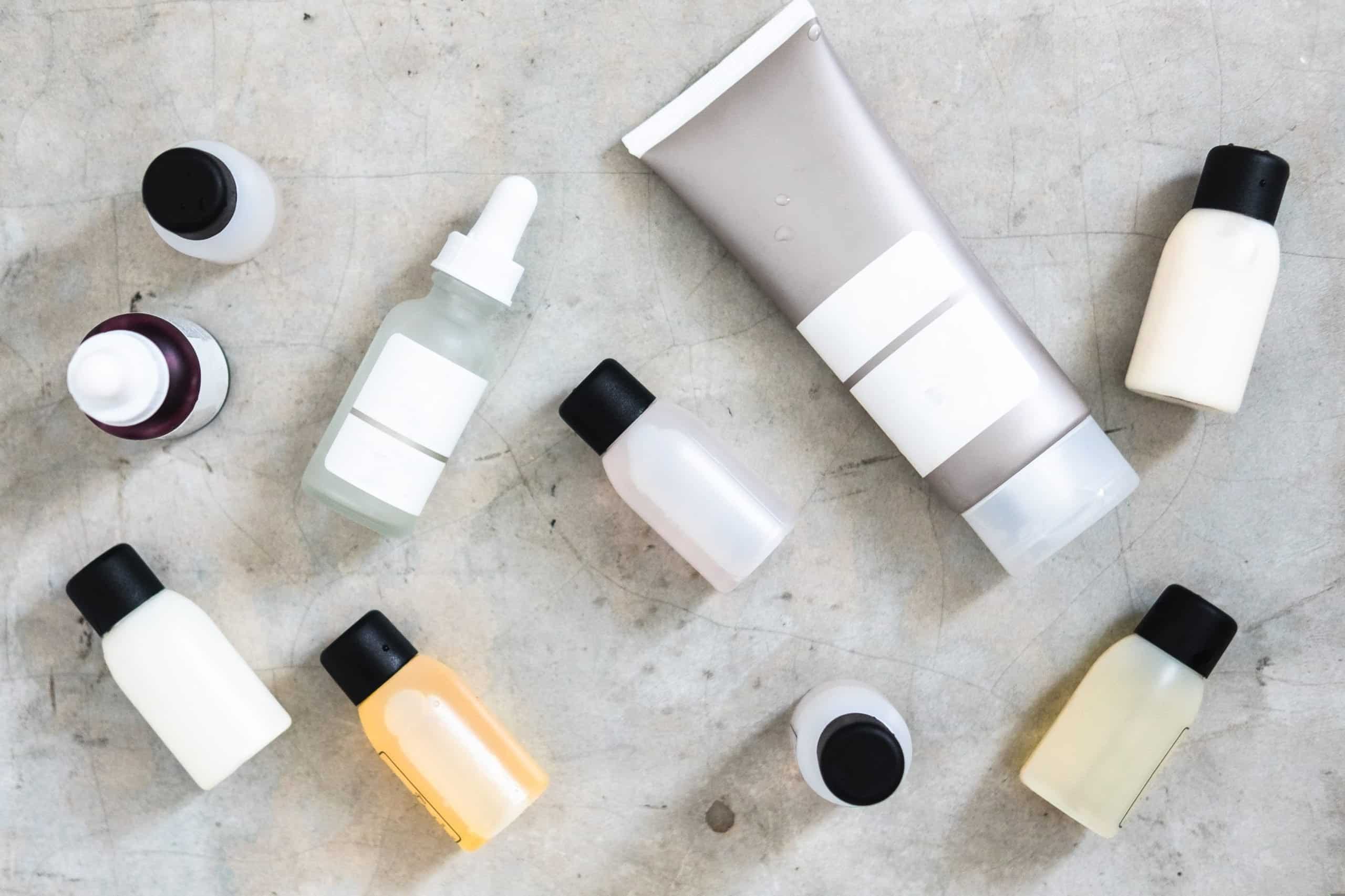
WELCOME TO PRIVATE LABEL DERMA LAB (PLDL)

What is the Main Ingredient in Acne Products?

If you’re a skincare or beauty entrepreneur looking to develop anti-acne products for your brand, identifying what ingredients are good for acne treatment is vital to make informed decisions.

Ingredients for Acne Products

In acne product formulations, different ingredients serve specific purposes, from controlling oil to reducing inflammation. Understanding how each ingredient for acne works and how they align with your product’s goals is essential to ensure you develop solutions that meet your customers’ needs.

Acne Ingredient #1: Salicylic Acid

Salicylic acid is an active ingredient often used for products targeting mild to moderate pimple concerns. It works by exfoliating the skin, helping to unclog pores by removing dead skin cells and excess oil, which can otherwise contribute to acne breakouts.

It can be included in various formulations, such as cleansers, toners, serums, and spot treatments, making it a versatile option for creating comprehensive acne products.

Acne Ingredient #2: Benzoyl Peroxide

Benzoyl peroxide is an acne-fighting ingredient that reduces acne-causing bacteria on the skin. Preventing these bacteria’s growth helps minimise the risk of new acne breakouts, including cystic lesions. However, it can sometimes cause dryness or irritation when first used.

Thus, consider offering acne products with varying concentrations of benzoyl peroxide, as users are typically advised to start with a lower concentration and then gradually increase as their skin adjusts.

Acne Ingredient #3: Niacinamide

Another ingredient commonly found in acne products is niacinamide. This versatile compound can be used in various formulations, including serums, toners, moisturisers and masks.

Essentially, niacinamide helps calm inflammatory acne like papules and pustules. It also helps improve skin texture, enhance the skin’s barrier function, and reduce redness and hyperpigmentation, which can be common concerns for acne-prone skin.

Acne Ingredient #4: Azelaic Acid

Azelaic acid has antibacterial properties that help minimise the growth of bacteria associated with acne. It also has pigment-reducing qualities, potentially helping to even out skin tone and reduce the appearance of discolouration.

Furthermore, its gentle nature often makes it suitable for sensitive skin, offering an option for customers seeking a milder approach to acne treatment.

Acne Ingredient #5: Hyaluronic Acid

In acne treatments, hyaluronic acid works by maintaining skin hydration and preventing excessive dryness that can trigger an increase in oil production, leading to breakouts. Therefore, including hyaluronic acid in your acne product formulations can help you address your customers’ hydration needs and promote healthier-looking skin.

Acne Ingredient #6: Alpha Hydroxy Acids

Alpha hydroxy acids (AHAs) are formulations that help maintain clear skin by promoting gentle exfoliation. They help by removing dead skin cells that can clog pores, a factor in acne development. Moreover, getting rid of old skin layers may aid in minimising the visibility of acne scars, paving the way for newer, healthier skin to surface.

Acne Ingredient #7: Adapalene

Adapalene is a synthetic retinoid used in topical acne treatments. It regulates skin cell turnover, prevents clogged pores, and reduces inflammation. By influencing the skin’s natural renewal cycle, adapalene may help reduce acne formation over time.

It’s typically less irritating than other retinoids, making it suitable for sensitive skin formulations.

Ready to Build Your Anti-Acne Product Line?

As covered above, different acne ingredients offer distinct benefits and solutions for addressing acne concerns. If you need assistance formulating anti-acne products for your beauty business, consider partnering with skincare manufacturers like Private Label Derma Lab (PLDL), who use quality and organic ingredients to make your products stand out.

Reach out to an acne cleanser, toner, exfoliator, and serum manufacturer in Singapore to develop custom skincare formulations that align with your brand’s goals.
beauty product trends / cosmetic filling and packaging / custom skincare formulation / Face serum / oem cosmetic manufacturer singapore / oem skincare singapore / private label cosmetic manufacturers / private label skin care labs /

What is the Biggest Trend in the Beauty Industry?

The global beauty industry is not just growing; it’s thriving, with forecasts predicting it will reach an impressive revenue of US$648.40 billion in 2024. But what’s fueling this remarkable growth?

It boils down to beauty brands staying in tune with changing consumer preferences. By keeping up with the latest trends in the beauty industry and adapting swiftly, these companies ensure they’re always relevant and resonate with their customers.

Beauty Industry Trends

So, what is the biggest trend in the beauty industry that’s making waves right now?

1. Sustainability Meets Biotechnology

There’s a growing push towards using sustainable methods in the beauty industry to address environmental concerns, which are becoming an increasingly important factor in consumer purchase decisions.

Traditionally, even natural ingredients required large-scale farming and processes that weren’t always great for the environment. Biotechnology, however, combines biology and chemistry to cultivate skincare ingredients in controlled laboratories, offering a more sustainable alternative by reducing the need for extensive farming and minimising environmental strain.

2. Natural and Organic Ingredients

As environmental concerns continue to rise, consumers are turning to beauty products made with natural and organic ingredients to reduce their environmental impact.

Synthetic ingredients, often derived from petrochemicals, contribute to pollution during production and may release harmful substances into ecosystems. In contrast, natural and organic ingredients are typically sourced sustainably, decompose more easily, and are less likely to harm the environment, making them a more eco-friendly choice.

Beyond sustainability, health and wellness are also driving this change as consumers grow more aware of the potential risks associated with synthetic ingredients and seek gentler alternatives.

These factors are fueling the trend toward sustainable and natural beauty product alternatives.

3. Protective Personal Care Beauty Products

Another emerging beauty product trend is the growing popularity of skincare products that protect against environmental threats.

For instance, anti-pollution skincare products are increasingly sought after, especially in urban areas where high pollution levels expose the skin to harmful toxins. As consumers become more aware of how pollution contributes to premature ageing and skin damage, they are actively looking for products that shield against these effects.

Additionally, with heightened awareness of the damaging effects of UV, HEV, and IR radiation, consumers seek sunscreens that provide more than just sunburn prevention, prioritising all-around skin protection.

4. Social Media Engagements

Social media has become a significant tool in shaping beauty consumer trends, influencing what people buy and how they engage with brands. In fact, a previous study shows that influencers drive purchases for 57% of beauty consumers in Singapore, with 41% valuing influencer endorsements.

Businesses can leverage this opportunity by collaborating with social media influencers to promote their beauty products, potentially boosting sales and increasing brand awareness.

5. The Expansion of Men’s Beauty Products

While the beauty industry has long been centred on women, the men’s beauty sector is rapidly gaining traction. Nowadays, men are taking a greater interest in skincare to present themselves better.

Additionally, high-profile male celebrities like Brad Pitt and Harry Styles have launched their skincare product lines, sparking interest and conversations around men’s grooming. Their involvement appears to contribute to a growing acceptance of skincare routines among men, potentially influencing perceptions and encouraging others to explore beauty products.

6. Diverse and Inclusive Beauty Products

Diversity and inclusivity are becoming critical trends in the beauty industry, with growing demand for products that cater to various skin tones and needs of consumers.

Many beauty brands have faced criticism for lacking representation, prompting them to expand their offerings. By embracing inclusivity, brands can better connect with a broader audience and foster a sense of belonging for all consumers.

7. The Persistent Popularity of Anti-Ageing Products

The demand for anti-ageing products continues to rise, driven by an ageing population and increasing skincare and wellness awareness. According to DelveInsight Business Research LLP, the global anti-ageing products market is expected to surpass US$112 billion by 2030.

Notably, the Asia-Pacific region is predicted to lead the market during this period, reflecting the rising focus on skincare. To meet this growing demand, brands in the area may consider incorporating anti-ageing ingredients into their product lines, such as retinol, peptides, and collagens, to cater to consumers seeking to address visible signs of ageing and promote healthier, more youthful-looking skin.

Takeaways on Beauty Industry Trends

The beauty industry is undergoing rapid changes, with trends like sustainability, inclusivity, and progressive approaches in skincare reflecting shifts in consumer preferences and values. By aligning with these trends, brands can meet customer expectations, foster loyalty, and continue to thrive in a fast-changing marketplace.

Develop Beauty Products That Connect with Today’s Consumers

If you’re considering starting a beauty business or an established brand looking to remain competitive, working with a beauty product or skincare ingredients manufacturer in Singapore, like Private Label Derma Lab (PLDL), can help support your growth.

A certified skincare OEM manufacturer can help you align your products with industry trends, whether developing eco-friendly options, creating custom cosmetic formulations for diverse skin types, or addressing specific consumer concerns. Start making products that connect with modern beauty-conscious consumers today.

beauty / beauty consumer trends / beauty industry trends / beauty product trends / cosmetic labeling and packaging / custom cosmetic formulation / manufacture skin care / oem skincare singapore / trends in the beauty industry /

Face Serum: Your Secret Weapon for a Flawless Complexion

Facial serums have become an integral component of skincare regimens worldwide, renowned for their concentrated ingredients and the efficacy with which they infuse the skin with essential nutrients. 

Distinct from ordinary moisturizers, facial serums are composed of molecules small enough to achieve deep skin penetration, delivering a potent dose of active elements. This characteristic renders them exceptionally suitable for addressing particular dermatological concerns like fine lines, discoloration, and dehydration. Encompassing a variety of key ingredients such as hyaluronic acid to moisturize, vitamin C to enhance brightness, and retinol for its age-defying benefits, there exists a serum tailored to fulfil almost any skincare requirement.

Unlock Radiance: Skincare serums for flawless skin:

Individuals devoted to skincare continuously search for the miracle product that promises a perfect skin texture, and complexion. Amidst an array of creams, masks, and oils, face serums have risen to prominence as the quintessential solution for a luminous dermis. But, what are these potent blends, and in what way do they provide a pristine complexion akin to an artist’s primed canvas?

Essentially, face serums function as light moisturizers that infuse active elements into the dermis. Their composition involves smaller molecules capable of deep penetration, offering a high concentration of active ingredients. Consequently, they are exceedingly effective at addressing particular skin issues — such as fine lines, uneven pigmentation, and loss of firmness.

Prominent within the realm of serum ingredients is Vitamin C — lauded for its capacity to enhance skin radiance and protect against age-indicating factors through its antioxidative characteristics. Equally vital is Hyaluronic acid; it draws in hydrating molecules into the upper layers of the skin akin to a sponge, promoting moisture retention that gives the skin a fuller appearance. The ability to tailor-make serums to individual concerns further solidifies their role in achieving impeccable skin. Whether faced with dryness or excess oil, signs of aging, or blemish-prone conditions — there exists a serum engineered for each unique skin type.

Skin Alchemy: Selecting top face serums for radiant complexion

To begin your search for the finest facial serums that yield a luminous complexion, comprehending their ingredients is crucial. The best face serums are packed with vitamins, antioxidants, peptides, hyaluronic acid, and other nourishing ingredients—all working in symphony to revitalize and repair the skin.

Given the plethora of choices in the marketplace, it is imperative to meticulously examine the myriad of products to discern those facial serums that stand out for their unparalleled effectiveness. A superior facial serum transcends mere hydration; it is a potent concoction of active constituents that delves deep into the dermis, bestowing specific benefits. Whether the goal is to diminish the visibility of aging, protect against environmental pollutants, or impart profound moisture, incorporating such a formidable product into one’s skincare regimen can be transformative.

The distinction of a serum lies in its composition. The most effective facial serums are infused with a wealth of antioxidants like Vitamins C and E, retinol for its anti-aging advantages, hyaluronic acid to deliver intensive moisture and a variety of botanical extracts and nutrients essential for maintaining skin vitality. One of the most notable Face Serum Benefits is their ability to transform your skin’s appearance and texture. A high-quality serum elevates collagen levels, reduces fine lines, lightens dark spots, and imparts a luminous sheen indicative of healthy skin. 

Select serums with components like hyaluronic acid for hydration or retinol for anti-aging benefits, tailored to your skin’s needs. Antioxidant-rich formulations with Vitamin C can shield the skin against pollutants and UV damage while enhancing overall brightness. Navigating through the promises on product labels requires patience and perhaps a bit of trial and error. However, engaging with reputable brands known for their transparency about ingredient lists and their benefits is pivotal. Reading reviews from other users who share your skin type and concerns can also provide valuable insight into how specific products perform in real-world conditions.

How To Use Face Serums for Optimum Results:

  • Initiate with skin cleansed of dirt, oil, and makeup to allow serum ingredients to penetrate effectively.
  • Post-cleansing, use a toner if part of your routine. A toner aids in balancing skin pH and expelling residual impurities for improved serum application.
  • Maximize absorption by applying serums to moist, not overly wet skin—an aftermath of gentle drying after cleansing or toning.
  • With serums, a smaller quantity notably suffices—a pea-sized portion or 2-3 drops should envelop the face and neck adequately.
  • Place the serum on your fingertips and dab onto your complexion rather than massaging it in; this technique promotes rapid absorption and minimizes skin tugging.
  • Allow your serum to sink in before adding other products like moisturizers or oils—a 5-minute interval should suffice.
  • Given their light texture and swift absorption, serums should be followed by thicker moisturizers or oils to preserve the benefits and enhance hydration.
  • While certain serums work well whether applied in the morning or evening, some, like retinol-based ones, are optimal for night-time use.

Summary:

Facial serums are engineered with minuscule molecules that penetrate deeply to deliver a high concentration of actives, targeting specific skin issues like aging, pigmentation, and moisture loss. Their formulations boast essential components such as hyaluronic acid, Vitamin C, and retinol, which are crucial for hydration, brightening, and anti-aging efforts respectively. As a result, these serums offer a customized solution to meet diverse skincare needs.

custom skincare formulation / Face serum / manufacture skin care / oem skincare singapore / private label skin care manufacturer /

The Ultimate Guide to Vitamin C Serum: Benefits and Usage Tips

In the whirlwind of modern city living, caring for our skin has evolved from a luxury to an integral part of our well-being. The relentless pace of metropolitan living presents specific dermatological challenges: pervasive pollution, endless hours in climate-controlled spaces, and relentless stress, each leaving a discernible mark on our skin’s health.

Vitamin C serums have established themselves as a critical element in the beauty regimens of individuals aspiring to maintain vibrant, supple, and robust skin. Vitamin C serums, rich in antioxidants, effectively neutralize free radicals, boost collagen, and reduce discoloration. 

Vitamin C: Ensure Essential Skincare Amidst the Urban Hustle

Each day, our skin is subject to a multitude of adversities. Exposure to ultraviolet radiation, environmental pollutants, and the inevitable strains of daily life all contribute to oxidative stress—a relentless enemy of skin health. Vitamin C serves as a potent shield against the deleterious effects of environmental aggressors, preventing early signs of aging. Its crucial role in collagen synthesis aids in maintaining skin’s elasticity and reduces wrinkles.

Vitamin C is also remarkably adept at addressing hyperpigmentation issues such as sunspots and age spots. By inhibiting melanin synthesis, these serums facilitate an even complexion over time, mitigating the persistence of darkened patches. Moreover, Vitamin C offers significant healing benefits beyond aesthetic enhancement. Its anti-inflammatory characteristics accelerate skin’s recuperation from injuries, diminishing redness and inflammation in the aftermath of superficial wounds or acne lesions.

Key Benefits of Vitamin C Serums:

Vitamin C serums have become a staple in the skincare regimens of beauty enthusiasts around the globe. As a powerhouse ingredient, vitamin C is revered for its multiple skin benefits. Incorporating a face serum brimming with this potent antioxidant into your daily routine can offer a brightening boost to your complexion, along with long-term anti-aging advantages. 

One of the most touted Vitamin C Serum benefits is its ability to brighten the skin. Vitamin C, also known as ascorbic acid, has properties that inhibit melanin production, which can help to fade dark spots and lead to a more even-toned complexion. By diminishing the appearance of hyperpigmentation and brown spots, a brightening serum containing vitamin C can reveal a more radiant and youthful glow.

Aside from its brightening effects, vitamin C is also celebrated as an anti-aging serum. It stimulates collagen production—a type of protein that’s key for maintaining skin’s elasticity and firmness. As we age, our bodies naturally produce less collagen, resulting in wrinkles and sagging skin. However, incorporating vitamin C serum into one’s skincare routine can effectively mitigate these visible signs of aging. Vitamin C provides the skin with essential nutrients, enabling it to retain its strength and youthful elasticity. Vitamin C serums utilize powerful antioxidant capabilities to shield the skin from premature aging and damage by combating the free radicals from pollution and UV exposure.

Discovering the best Vitamin C Serums: A Comprehensive Guide

  • Acknowledge the significance of the concentration of ascorbic acid in serums, with dermatologists advising between 10% to 20% to balance effectiveness and gentleness on the skin. Note that higher concentrations might not be ideal for those with delicate skin.
  • Optimal absorption is crucial; thus, selecting a serum with a low molecular weight ensures that the active ingredients effectively penetrate the skin barrier. Terms such as ‘liposomal vitamin C’ and ‘ascorbic acid polypeptide’ signify advanced formulations.
  • The serum’s pH is critical for absorption; prefer serums with a pH under 3.5 for maximum uptake by the skin, while remaining cautious of potential irritation for those with sensitive skin.
  • Evaluate the serum’s additional constituents like ferulic acid, tocopherol, and hyaluronic acid, which bolster Vitamin C’s effects and contribute to hydration. Choose well-designed packaging that combats oxidation and rely on stability tests and consumer feedback to confirm product longevity and sustained performance.

Maximize Glow: Vitamin C Serum Skincare Tips

Understanding how to correctly incorporate Vitamin C serum into your daily skincare routine can maximize its benefits. 

Here are some essential tips on how to use Vitamin C Serum effectively:

  • Selecting a Suitable Vitamin C Concentration:

Vitamin C serums are available in diverse strengths. Individuals with delicate skin should consider serums with 10-15% concentration to minimize the risk of irritation. With increased skin tolerance, higher concentrations might be useful to enhance results.

  • Optimal Application Timing:

To ensure thorough serum absorption, apply it in the morning post-cleansing and toning, before moisturizing. This regimen establishes a barrier against daily environmental damage from pollutants and UV rays.

  • Correct Serum Application:

Use 2-3 drops of serum on your fingertips, lightly tapping it onto your face and neck instead of rubbing, which could damage the skin over time. After application, wait a few minutes for absorption before proceeding with your skincare regimen.

  • Sun Protection Protocol:

Though Vitamin C offers some protection against the sun, it is not an alternative to sunscreen. Using a broad-spectrum SPF of 30 or above is essential for comprehensive skin defense, potentially boosting the efficacy of sunscreen.

  • Serum Storage Guidelines:

To maintain the potency of Vitamin C serum, select products in opaque, sealed containers and keep them away from light and air. Storing in a cool and dark environment is advisable to retain serum effectiveness.

  • Monitoring Skin Reaction:

Monitor your skin’s response when introducing a new serum. Scaling back usage or opting for a serum with a lesser concentration is prudent in case of irritation.

Summary:

Vitamin C is essential for skin health, offering protection against oxidative damage and facilitating collagen production, thereby minimizing aging signs and inflammatory skin conditions. For enhanced efficacy and compatibility, select Vitamin C serums with 10%-20% ascorbic acid, formulated for superior absorption at a pH below 3.5, and paired with synergistic components in stable packaging.

oem cosmetic manufacturer singapore / oem skincare singapore / Vitamin C serum /

How Design Influences Consumer Perception in the Beauty Industry

In recent years, the beauty industry has witnessed a seismic shift in consumer perception that has fundamentally transformed the market. Gone are the days when narrow standards of beauty and one-size-fits-all products dominated the scene. Today’s consumers are advocating for inclusivity, diversity, and authenticity in all facets of the beauty realm.

Besides, product design plays a crucial role in shaping consumer perception, especially in the highly competitive beauty industry. From the contours of custom skincare formulation packaging to the hues that adorn private label hair care products, every aspect of design works collectively to influence customers and their purchasing decisions.

cosmetic labeling and packaging - https://privatelabeldermalab.com/

Analysing Consumer Psyche Through Product Design:

Product design stands at the forefront of how consumers perceive beauty items—it acts as a silent ambassador of the brand’s values, culture, and creativity. The significance of product design in shaping consumer perception in the beauty industry cannot be overstated. It operates at the crossroads of art and commerce, where psychological cues and tangible features merge to create an impression that can either elevate or diminish a brand’s reputation. 

Understanding how product design influences consumer behaviour starts with aesthetics. Beauty products are not just judged on their functionality but also on their ability to appeal to the senses. Good design can create an emotional connection with the user. It speaks to their desired self-image, aspirations, and identity. When a customer encounters a beautifully packaged product, they project their expectations of quality, performance, and luxury onto it before even trying the contents within.

The colour psychology in product design plays an influential role; studies have shown that specific colours evoke particular emotions in people. A vibrant red lipstick case might signal boldness and confidence, while a pastel-hued eyeshadow palette might evoke feelings of softness and tranquillity. These visual signals communicate distinct messages about the product’s purpose and its alignment with personal attributes or moods consumers wish to express.

Texture also informs perception—smooth, weighty packaging could imply sophistication and value, whilst eco-friendly materials suggest a brand’s commitment to sustainability—a factor increasingly important to modern consumers.

Moreover, the shape and form of beauty products are critical for usability and desirability. Ergonomic designs that fit comfortably in one’s hand or compact shapes suited for on-the-go lifestyles meet practical needs while also underlining innovation—further ingraining a sense of brand trustworthiness.

Beyond the individual experience, product design in the beauty industry also affects social dynamics. Products are often used or displayed publicly—consider the act of reapplying lipstick at a cafe or showcasing a vanity filled with aesthetically pleasing skincare bottles on social media. In these scenarios, good design represents a form of social currency; it’s something consumers are proud to associate with and share with others.

oem cosmetic manufacturer singapore - https://privatelabeldermalab.com/skincare-filling-packaging-services-singapore/

Private Label Skincare Manufacturers Crafting Unique Brand Perceptions:

In the world of beauty and personal care, first impressions are paramount. When a consumer encounters a product, its design is the first point of communication. Private label skin care manufacturers are acutely aware of this reality, employing innovative strategies to make their items stand out on crowded shelves. The texture, colour, and shape of a product must not only appeal to aesthetic preferences but also embody the brand’s identity and values. This is where skilled skin care design and development consultants step in to create a visual narrative that speaks directly to consumers’ desires.

Custom skincare formulations are an example of how product design extends beyond mere aesthetics. When a brand chooses to offer bespoke solutions tailored to individual skin needs, the packaging must clearly convey this personalized approach. The way these items are presented can significantly impact how they are perceived; simple, clean designs can evoke a sense of professionalism and efficacy, while bold and vibrant packaging may suggest innovation and playfulness.

Private label hair care product manufacturers leverage design as a means of differentiating their offerings. By crafting distinctive bottles, labels, and branding elements specific to their formula’s benefits or ingredients, they can capture attention and make an indelible mark on potential consumers’ minds. As consumers navigate options within the sector, innovative and cohesive product design can turn a one-time buyer into a loyal advocate for the brand.

In essence, product design serves as the silent ambassador of a beauty brand. It communicates quality, functionality, and even the brand’s ethos before a consumer has even tried the product. Whether it’s signalling luxury with minimalist designs or championing sustainability with eco-friendly materials, each choice made in the design process holds the power to sway customer perceptions. For private label skin care manufacturers and hair care producers alike, investing in high-quality design is non-negotiable.

skincare design and development consultant - https://privatelabeldermalab.com/private-label-skincare-product-design-and-development-the-role-of-consultants-in-bringing-your-vision-to-life/

Summary:

Product design profoundly influences consumer perception in the beauty industry, serving as a non-verbal representation of a brand’s essence, from its ethical stance to its creative identity. Skincare design and development consultants play an instrumental role in manifesting a brand’s story through visual and tactile elements, allowing products to resonate with consumers’ aesthetics and values. Product designs crafted by reputed Private label skin care labs exude the distinctive character of the brand, ensuring that each product acts as an advocate for what the brand stands for. Private label skin care products leverage design for differentiation, striving to transform one-time purchasers into dedicated brand enthusiasts with every intentional detail from packaging to form.

cosmetic filling and packaging / cosmetic labeling and packaging / custom skincare formulation / manufacture skin care / oem cosmetic manufacturer singapore / oem skincare singapore /

7 Strategies for Building a Strong Identity in the Beauty Market

In the ever-expanding beauty market, creating a distinctive brand identity is crucial for standing out amongst competitors. This is particularly challenging given the current level of market saturation with an array of products clamouring for consumer attention. 

Establishing a distinct presence in the competitive beauty industry requires innovation, consistency, and a unique brand identity. One effective strategy for achieving this is by partnering with private label manufacturers who specialize in creating exclusive products tailored to your brand’s vision. 

Excellence in every bottle: uplifting brands with custom beauty solutions:

Private label manufacturing is a collaborative process where a company outsources product development and production to a third-party manufacturer. This partnership enables businesses to create bespoke products without the heavy investment typically associated with R&D and manufacturing. For brands looking to carve out a niche in the beauty market, working with private label skin care labs and product developers offers an opportunity to develop a range specific to their brand’s ethos.

Companies specializing in custom skincare formulations are adept at translating a brand’s concept into reality. Skincare design and development consultants are indispensable in this process, offering expert guidance on formulating products that not only fulfill the aesthetic and sensory requirements of customers but also adhere to regulatory standards. Their industry experience assists in navigating the complex terrain of product development efficiently. This level of customization ensures that every aspect of the product aligns with the brand’s identity and targets the desired demographic effectively.

Private label skin care products provide numerous advantages. They enable brands to exert control over product quality, ingredient selection, and packaging design. This attention to detail translates into an authentic brand image that resonates with consumers seeking transparency and specificity in their beauty products.

In addition, embracing private label manufacturing helps brands stay agile in a fast-paced market. Since production can be scaled according to demand, businesses can quickly respond to trends and customer feedback without being hampered by the inertia that often comes with larger-scale operations.

For businesses aiming to differentiate themselves within the beauty market, crafting an identity through private label partnerships is not only strategic but essential. It’s an investment in bespoke product development that can yield returns through customer loyalty, brand recognition, and industry prestige.

Key brand-building strategies to excel in the cosmetics/skincare industry:

Today’s consumers are more discerning than ever, seeking not just quality products but also brands that resonate with their personal ideals and aesthetic aspirations.

Here are seven strategies to consider when aiming to build a resilient identity in the beauty market:

  • Unique Brand Story: 

Your brand story is what makes you stand out. It’s the narrative you weave into every aspect of your company, from your ethical sourcing to your customer service. Think about what drove you to enter the beauty market and let that passion shine through in your story.

  • Customized Product Lines: 

By partnering with a private label skin care manufacturer, you have the power to create exclusive formulas that convey your brand’s ethos. This collaboration enables you to produce innovative products that reflect your standards and cater specifically to your clientele’s needs.

  • Quality over Quantity: 

It’s important to offer products that boast quality ingredients and deliver real results. Private label manufacturers who prioritize high-quality components over mass production ensure that their items stand out in terms of performance, which can significantly enhance your brand’s reputation.

  • Strong Visual Branding: 

A consistent visual identity across packaging, website design, and marketing materials helps customers recognize and remember your brand. In the beauty market, appearance counts for a lot – ensure your aesthetic aligns with your message and appeals to your target demographic.

  • Social Media Presence: 

Utilize platforms like Instagram, TikTok, and YouTube where beauty conversations thrive. Showcase tutorials, testimonials, and behind-the-scenes content to engage with your audience authentically and create a community around your brand ethos.

  • Promote Sustainability: 

As consumers grow more environmentally conscious, they prefer brands that adopt sustainable practices. Whether it’s through eco-friendly packaging or supporting local sourcing, showcase any efforts you make towards sustainability as part of your unique selling point.

  • Collaborations and Partnerships: 

Working with influencers or other brands can expand your reach and add credibility by association. Choose partners who align with your brand values for collaborations that highlight both parties’ strengths while increasing visibility amongst various consumer groups.

Summary:

Building a strong brand identity in the beauty market is increasingly about offering tailor-made experiences to customers. Teaming up with experienced private label hair care product manufacturers and skincare design consultants opens up endless possibilities for innovation and personalization. With private label skin care labs providing both quality and flexibility, any brand has the potential to establish itself as a unique force within the bustling landscape of

custom cosmetic formulation / manufacture skin care / oem cosmetic manufacturer singapore / oem skincare singapore / private label cosmetic manufacturers / private label skin care manufacturer /

The Power of Personalization: How OEM Cosmetic Manufacturers Can Elevate Your Brand

Over the past few years, there has been an incredible surge in the popularity and demand for OEM Cosmetic Manufacturers in Singapore. As people seek to express themselves more authentically and connect more deeply with their possessions, this trend has gained significant traction, changing the way businesses operate in various sectors – from fashion to technology. 

The Realm of Personalization:

One of the primary reasons for the rising interest in personalization is Singapore’s dynamic and multicultural population. With a diverse demographic makeup that includes various ethnicities, religions, and income levels, consumers are looking for ways to express their unique identities through the products they purchase. Personalized items not only cater to individual tastes but also allow consumers to feel more connected to their belongings. The rapid development of e-commerce platforms and digital technology has also played a crucial role in making personalization more accessible to customers. Online shopping platforms now provide an avenue for sellers to offer customizable products to their customers at competitive prices. From tailor-made apparel to custom-crafted accessories, and personalized skincare solutions – a wealth of choices are available, these days, for enthusiastic shoppers.

Additionally, social media platforms such as Instagram and Pinterest have become powerful tools for promoting personalized products as they showcase creative designs that inspire others to jump on the customization bandwagon. This phenomenon creates a snowball effect that leads to even more people becoming interested in tailor-made goods.

As consumer awareness about sustainability grows, eco-conscious Singaporeans are increasingly looking for unique products that reflect their values without harming the environment or society. Personalization offers an alternative approach that allows individuals to consume responsibly while still enjoying high-quality merchandise that aligns with their beliefs. Hence, businesses in Singapore have recognized this rising demand for personalization and are adapting their strategies accordingly. This not only enables them to build a loyal customer base but also sets them apart from competitors in an increasingly digital marketplace.

Brand Elevation with OEM Cosmetic Manufacturers:

In today’s fast-paced beauty industry, there is mounting pressure for brands to stay ahead of the curve and offer something unique to stand out among competitors. One way to achieve this competitive advantage is to collaborate with OEM cosmetic manufacturers, who can elevate a brand by offering customizations and developing personalized products. 

The first step in elevating your brand is to find a reliable partner for your cosmetics production. An OEM cosmetic manufacturer in Singapore offers a wide range of services such as formulation development, packaging design and production, and more. These manufacturers abide by strict quality control measures ensuring that your products are safe for consumers and meet the highest industry standards.

Private label skin care labs are essential partners when it comes to offering truly personalized products. These labs specialize in creating high-quality products tailored to the specific needs of different customer groups. They collaborate closely with brands on product formulations aimed at targeting various skin concerns like acne, dryness, or anti-aging. By partnering with a private label skin care manufacturer, you can offer your customers unique skincare experiences, driving customer loyalty towards your brand. Customization is key when it comes to setting your brand apart from others on the market. Custom cosmetic formulation enables you to create a product range that caters directly to the desires of your target audience. With access to expert formulators specializing in custom skincare formulation, you can create exclusive, innovative, and, most importantly, effective products that will distinguish your brand from others.

Developing personalized products involves more than just a unique formula; packaging design plays a significant role in conveying your brand’s identity and attracting customers. A well-designed product packaging sets the tone for the overall customer experience. OEM cosmetic manufacturers often have in-house design teams that can help you create eye-catching and functional packaging that complements your product range and aligns with your brand identity.

Key Benefits of OEM collaboration:

OEM (Original Equipment Manufacturer) collaboration can be particularly beneficial for brands focused on customization, and looking to offer personalized products. 

Some of the advantages of such a partnership are:

  • OEMs are experts at product development, and brands can create custom products that capture the brand’s essence and please customers. This sets brands apart from competitors and builds brand recognition. 
  • OEMs can produce exclusive offerings through their manufacturing expertise, so brands can offer unique products that can’t be obtained elsewhere or through other outlets. 
  • Quick prototyping allows brands to test and revise products for effective R&D before going to market. 
  • Scalable production ensures that supply can match demand and brand growth, all while maintaining high-quality customization crucial to consumer satisfaction. 
  • Trustworthy OEMs safeguard intellectual property, guaranteeing that unique brand attributes are protected and kept exclusive to the brand. 
  • Brands can respond quickly to market trends and consumer preferences by partnering with the right OEM, thus staying relevant and adaptive to consumers’ needs.

Summary:

In Singapore, personalized products are in high demand due to a diverse society valuing individuality and sustainability. Businesses collaborate with OEM cosmetic manufacturers to create unique offerings for this market. This strategy boosts brand image and differentiates them from competitors. Personalization offers innovation opportunities for companies while empowering consumers. Overall, it strengthens the alignment between lifestyles, values, and self-expression.

cosmetic filling and packaging / cosmetic labeling and packaging / custom cosmetic formulation / oem cosmetic manufacturer singapore / oem skincare singapore /

White Label Skin Care 101: Building a Profitable Beauty Brand with Ease

Singapore, a mesmerizing city known for its vibrant culture, innovative architecture, and captivating history, has emerged as a strong player in the global beauty market. The growing interest of local and international consumers in personal care and cosmetics has provided an incredible platform for beauty brands in Singapore. Singapore’s white label skin care booming beauty market offers a range of products, fueled by the growing middle class and young professionals. Diverse local and international brands cater to this demand, with skincare, makeup, and haircare dominating the market. The male grooming sector is also on the rise, with specialized products tailored to men’s needs.

Is starting a white label Skin care brand in Singapore lucrative?

With a steady increase in demand, more and more entrepreneurs are considering delving into the lucrative world of beauty and skincare. Singapore, known for its thriving economy and discerning consumers, has become a key market for skincare brands. In this article, we will explore the profitability potential of starting a skincare brand in Singapore. First, it’s important to understand why skincare has become such a popular industry in Singapore. The city-state’s tropical climate can often lead to skin concerns ranging from acne to premature aging due to constant exposure to sunlight and humidity. As a result, there is an increased awareness among locals about the importance of proper skincare routines and product choices. 

The increasing demand for alternative and eco-friendly skincare options also presents an opportunity for new brands to carve out their niche in the market. Consumers are becoming increasingly conscious of the ingredients found in their skincare products and are willing to pay premium prices for natural, organic, and cruelty-free alternatives. One key aspect contributing to the profitability of starting a skincare brand in Singapore is the ease of doing business there, rated among the top countries worldwide for this aspect. A transparent regulatory environment and efficient processes make it relatively simple for new businesses to enter the market while mitigating risks associated with foreign regulatory compliance. Singapore’s prime position as a global trading hub offers significant advantages for businesses targeting international markets. Its strategic location enables easy access to major emerging markets like China and India.

Launching a Skincare Line in Singapore:

Starting your skincare brand in Singapore is now easier, thanks to white label skincare manufacturing companies. Partnering with a white label skincare manufacturer for your business allows you to obtain high-quality ready-to-sell products under your brand name. Key benefits include cost and time efficiency, as these companies handle research, development, and production, allowing you to concentrate on marketing and sales. Their expertise in creating safe and effective formulations tailored to customer needs ensures top-notch product lines for your brand. Moreover, white labelling offers flexibility in customizing and tweaking products to target specific skin conditions effectively. Partnering with a white label skincare manufacturing company can significantly simplify the process and boost your success. 

4 major steps in launching a skincare brand in Singapore are:

1. Research and Identify Your Target Market

Before you embark on your journey to create a successful skincare brand in Singapore, it’s crucial to identify your target market. Research and study the demographic profiles of potential customers and understand their wants, needs, and preferences. This will help you tailor your product offerings accordingly and cater to the unique requirements of the Singaporean market.

2. Partner with Reputable Private Label Skin Care Labs

To ensure that your products are formulated with high-quality ingredients and deliver effective results, you must partner with a reputable private label skincare manufacturing company. These companies specialize in developing cosmetic formulations on behalf of brands, ensuring that all products meet safety standards and provide consistent performance.

Working closely with a skincare design and development consultant can streamline this process as they can offer valuable insight into industry trends, help refine product specifications, and effectively communicate these requirements to the manufacturing labs.

3. Focus on Cosmetic Filling and Packaging

A crucial aspect of creating a successful skincare brand is attention to detail when it comes to cosmetic filling and packaging. Aesthetic appeal plays a significant role in attracting customers, so you must work closely with manufacturers who share your vision for high-quality packaging materials that emphasize functionality, safety, and style.

Moreover, partnering with manufacturers specialized in cosmetic filling ensures that your products are filled accurately into their containers without any contamination or inconsistencies, preserving their integrity.

4. Invest in Cosmetic Labeling and Packaging Design

Finally, considering that each product’s container serves as a canvas to market your brand, investing in custom cosmetic labeling and packaging design should be from a trusted partner that adheres to all Singaporean regulations. Professional designers can create an attractive and cohesive brand identity for your skincare line that captures customer attention and resonates with your target market.

Summary:

Starting a skincare brand in Singapore can be highly profitable due to the increasing demand for eco-friendly products and the city-state’s supportive business environment. Partnering with a white label manufacturer can streamline product development while identifying your target market and helping tailor your offerings. Additionally, focusing on high-quality packaging and design ensures your brand stands out in the competitive market.

custom skincare formulation / manufacture skin care / oem skincare singapore / private label beauty products / private label skin care labs / private label skin care manufacturer / white label skin care /

Behind the Scenes: Exploring the World of OEM Cosmetic Manufacturer Singapore

The Original Equipment Manufacturer (OEM) cosmetic market in Singapore has been witnessing significant growth in recent years, as beauty products continue to gain popularity amongst consumers. The booming demand for unique cosmetics offers promising opportunities for small and medium businesses. OEM cosmetic manufacturer Singapore industry flourishes as beauty-savvy consumers seek high-quality, personalized products. To meet this demand, companies are creating ground-breaking formulas, eye-catching packaging, and tailored marketing campaigns. Customized beauty solutions now propel the OEM cosmetics market. Niche brands addressing specific desires, like vegan or ethnically-focused products, are increasingly drawing shoppers’ attention.

Singapore’s Beauty Landscape:

Singapore’s beauty industry is predominantly driven by the extensive tourism activity, coupled with a tech-savvy and brand-conscious population. This makes it an ideal market for businesses looking to venture into or expand within the cosmetics sector. With the rise of behavioural change towards self-care and wellness among consumers, there has been an increase in demand for cosmetic products in recent years.

Original Equipment Manufacturer (OEM) cosmetics refer to cosmetic products that are produced by one company but ultimately marketed under another company’s brand name. Manufacturing companies usually focus on research and development, formulation, testing, packaging, and labeling while handing off sales and marketing responsibilities to the brand buying the products. This offers a cost-effective opportunity for companies looking to expand their product offerings without investing heavily in manufacturing setups.

The OEM Cosmetic Manufacturer Singapore :

Singapore has emerged as a thriving hub for OEM cosmetic manufacturing in recent years. The growth of white label skin care and private label skin care labs has been responsible for transforming Singapore’s beauty industry into one of the most dynamic and innovative markets in the world. Private label skincare labs empower businesses to create custom, high-quality cosmetic lines without major investments. These facilities develop unique formulas, setting their clients apart while maintaining rigorous quality standards.

OEM cosmetic manufacturing in Singapore combines the expertise of local and international names to produce high-quality products tailored for various markets worldwide. The industry’s rapid expansion has led to the rise of numerous white label skin care companies that offer unique formulations designed to cater to a diverse clientele. These businesses provide a wide range of services including product formulation, packaging design, and labelling. One prominent name when it comes to OEM cosmetic manufacturers in Singapore is PLDL, which is known for providing high-quality product formulation services. The company specializes in offering turnkey solutions for businesses looking to enter the lucrative cosmetics market without having to worry about research, development, or production costs.

Another essential aspect of OEM cosmetic manufacturing is cosmetic filling and packaging. With consumer needs constantly changing, businesses must remain agile and adapt quickly when developing and launching new products. This involves implementing an effective packaging strategy designed to enhance shelf appeal while also ensuring optimal product performance during its intended shelf life. The importance of cosmetic labeling and packaging cannot be overstated; eye-catching designs can often make or break a product’s success in the highly competitive beauty market. Innovative packaging solutions not only help to improve the overall user experience but can also contribute to building a strong brand identity, which is crucial for long-term success.

Key highlights of Singapore’s OEM cosmetic manufacturing industry :

Regulatory Environment: The Health Sciences Authority (HSA) regulates cosmetic products in Singapore to ensure they meet safety standards. Manufacturers and importers must comply with the ASEAN Cosmetic Directive (ACD), which Singapore has adopted. This sets a high standard for product quality and safety.

Innovation and R&D: Singapore’s focus on research and development (R&D) and innovation means that OEM manufacturers often have access to the latest technology and ingredients. They may offer unique product formulations or use novel manufacturing processes.

Strategic Location: Singapore’s strategic location in Asia makes it an attractive hub for cosmetic manufacturing, with good connectivity to other markets in the region. This can facilitate easier distribution and logistics for global brands.

Focus on Sustainability: There is an increasing trend towards sustainability in the cosmetic industry. Singapore’s OEM manufacturers may offer environmentally friendly options for production and packaging, responding to global consumer demand.

Skilled Workforce: Singapore has a skilled workforce that is well-versed in the technical aspects of cosmetic manufacturing. This expertise allows for high-quality production and innovative product development.

Competitive Landscape: The OEM cosmetics sector in Singapore is competitive, with both local and international players. This competition drives quality up and costs down, which can be beneficial for brands looking for OEM services.

Summary:

Singapore’s booming beauty industry, influenced by tourism and a tech-savvy population, has become a hub for OEM cosmetic manufacturing. Private label skincare labs enable businesses to create unique, high-quality products without significant investment. Key factors in Singapore’s OEM cosmetic ecosystem include stringent regulatory standards, a focus on R&D and innovation, and an emphasis on sustainability. A skilled workforce and well-connected location in Asia create an ideal setting for a competitive OEM cosmetics market landscape.

beauty / custom cosmetic formulation / manufacture skin care / oem cosmetic manufacturer singapore / oem skincare singapore /

Private label Skincare product Design and Development: The Role of Consultants in Bringing Your Vision to Life

The beauty industry in Singapore is a rapidly growing market, with a high demand for innovative and unique skincare products. One niche within this market that is gaining significant traction is the private label skincare sector. Businesses and entrepreneurs have increasingly turned to private label manufacturing as a way to create their own line of products without the hassle of starting from scratch. In the development of private label skincare products in Singapore, it is crucial to commence with an exhaustive market analysis and adhere to the regulatory guidelines put forth by the Health Sciences Authority. Ensuring a distinctive selling proposition, the selection of premium ingredients, and the creation of efficacious packaging that conveys the brand narrative are essential. Collaboration with a trustworthy manufacturing associate to oversee quality management, provide personalization alternatives for products, and conduct market research is highly recommended.

In today’s ever-growing and highly competitive skincare industry, having a strong brand identity and vision is not enough. To truly succeed, an aesthetically pleasing and effective product range is necessary, which delivers on its promises while standing out in the crowded market. This is where the roles of skincare design and development consultants, skin care manufacturing labs, white label beauty product manufacturers, and private label skin care labs come into play. A skincare design and development consultant plays a vital role in creating the perfect skincare product that caters to consumer demands and adheres to industry standards. Their expertise guides the entire development process, from conceptualization based on market trends and target demographics to ensuring product efficacy. Additionally, they are responsible for addressing aspects such as ingredient sourcing, packaging design, sustainable or cruelty-free production practices, and assisting with regulatory compliance issues in sales and marketing.

Skin care manufacturing labs collaborate with consultants to transform product blueprints into tangible items by producing small-scale test batches or full-scale production runs upon approval. Adhering to strict regulatory guidelines, such as Good Manufacturing Practices (GMP), they ensure consistent quality and efficacy throughout the production process. In some cases, brands may choose white label beauty product manufacturers for faster market entry by utilizing generic formulations that can be customized according to their brand guidelines. This approach allows companies to reduce research and development expenses while still offering customization options in formulas, packaging materials, or product claims, ultimately enabling them to focus on marketing and branding efforts.

Significance of Skincare Design Consultants, Manufacturing Laboratories, and Private Label Firms in meeting a Brand’s goals:

hair treatment manufacturers - 	https://privatelabeldermalab.com/

Skincare design consultants, manufacturing labs, and private label firms are pivotal in achieving a skincare brand’s objectives. Each offers distinct expertise and services vital to the creation, fabrication, and triumph of private label skin care products.

Key Significances include:

  • Skincare design and development consultant
  1. Product Conceptualization: Consultants assist in transforming a brand’s vision into tangible skincare concepts, leveraging their knowledge in formulation, ingredient selection, and product design for distinct and marketable products.
  1. Market Trend Analysis: Experts stay informed on industry trends, consumer preferences, and emerging technologies to develop skincare products that align with current market demands and excel in a competitive landscape.
  1. Brand Differentiation: Identifying the brand identity and target market, consultants set skincare products apart through unique formulations, packaging, and branding. This approach creates a remarkable selling point for the brand.
  1. Innovation and Creativity: Consultants infuse inventive thinking and innovation into product development by investigating new ingredients, technologies, and design elements that enhance the efficacy and appeal of skincare products.
  • Skin care manufacturing labs
  1. Formulation Development: Specialized manufacturing labs craft premium formulations as per brand and design consultant guidelines, ensuring safety, effectiveness, and adherence to regulations.
  1. Quality Assurance and Testing: Labs carry out thorough testing for product safety, stability, and efficacy. Consistency and brand standards are upheld through quality assurance measures.
  1. Regulation Compliance: Manufacturing labs are vital in maintaining regulatory compliance for skincare products. They remain up-to-date on regulations to confirm legal compliance and consumer safety.
  1. Customization Possibilities: Offering customization options, laboratories enable brands to develop tailored formulations for distinct skin types and concerns, catering to a diverse consumer base.
  • Private Label Skincare Labs
  1. Cost-Efficient Manufacturing: Private label labs facilitate affordable skincare product launches without necessitating in-house production. This enables brands to concentrate on marketing, branding, and distribution.
  1. Adaptability and Expansion: Private label labs ensure scalability, permitting brands to modify production volumes based on demand. This adaptability is vital for businesses at varying growth stages.
  1. Time Optimization: Outsourcing production to private label labs enhances time efficiency and expedites the manufacturing process, resulting in rapid market entry and adaptability to evolving trends.
  1. Minimized Financial Hazards: Lower initial expenses are associated with private label agreements compared to in-house production facilities, reducing financial risks during early product development stages.

Summary:

Singapore’s private label skincare sector is witnessing remarkable expansion as businesses launch exclusive product lines. This development entails comprehensive market analysis, compliance with Health Sciences Authority guidelines, and attention to unique selling points, components, and packaging. Collaborating with a reputable manufacturer ensures quality control and customized offerings while reducing R&D expenses and concentrating on marketing and branding.

beauty / oem skincare singapore /

Categories

The Process Of Cosmetic Filling: What Beauty Brands Need To Know July 28, 2025
Top Ingredients To Look For In Private Label Skincare: What Matters For Serums, Sunscreens And Cleansers July 16, 2025
The Future Of Cosmetic Manufacturing: Trends Shaping The Beauty Industry July 9, 2025

Popular Tags

beauty / beauty business / beauty consumer trends / beauty industry trends / beauty product trends / cosmetic filling and packaging / cosmetic labeling and packaging / create your own shampoo / custom cosmetic formulation / custom skincare formulation / Face serum / hair treatment manufacturers / make your own hair products to sell / manufacture skin care / oem cosmetic manufacturer singapore / oem hair care products / oem skincare singapore / private label beauty products / Private Label Cosmetic / private label cosmetic manufacturers / Private label cosmetic products / private label hair care product manufacturers / private label shampoo manufacturers / private label skin care labs / private label skin care manufacturer / selling hair products / Skincare Formulation Laboratory / skincare manufacturer singapore / starting a beauty business / trends in the beauty industry / Vitamin C serum / white label skin care /