WELCOME TO PRIVATE LABEL DERMA LAB (PLDL)

What to Consider When Starting a Beauty Business?

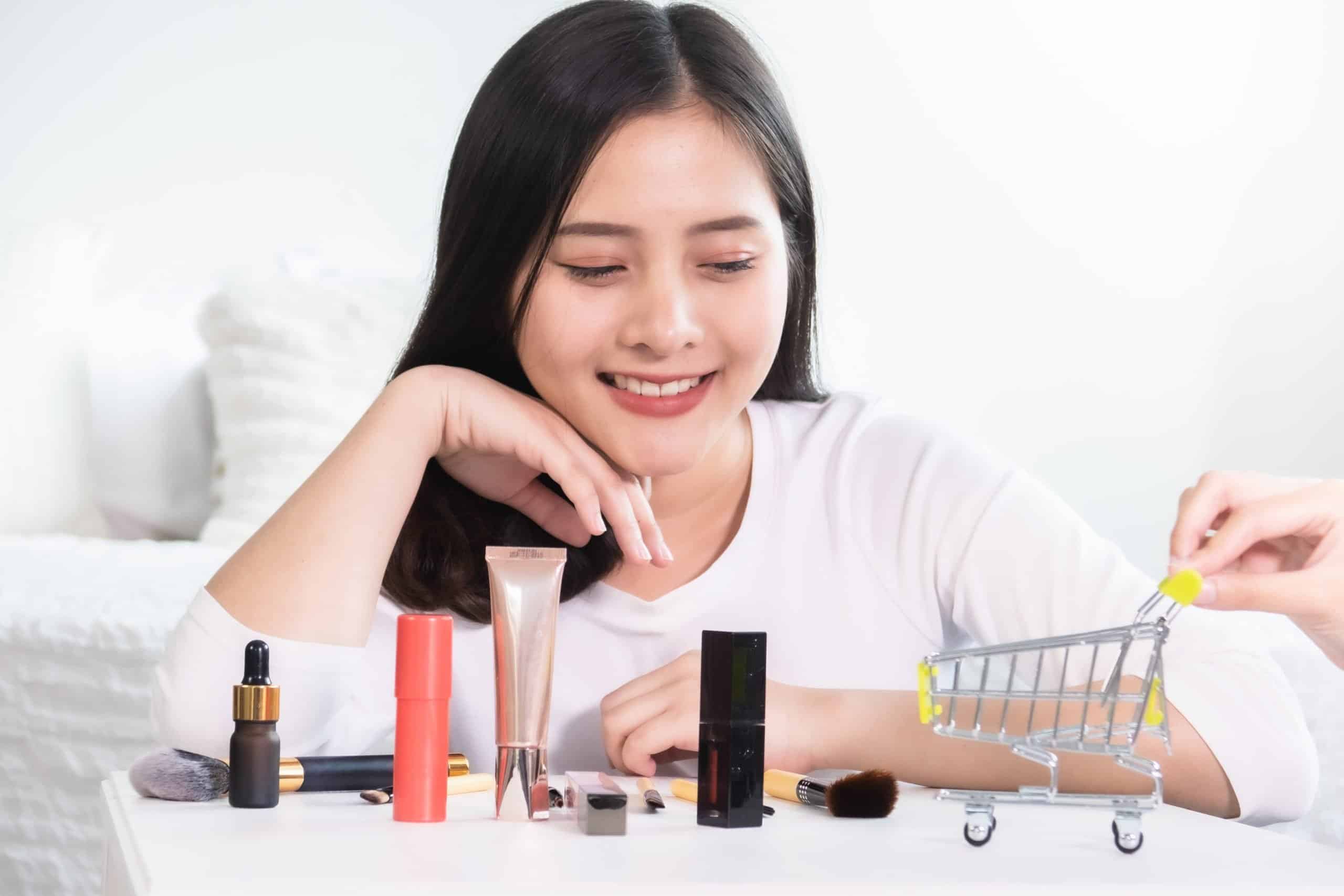
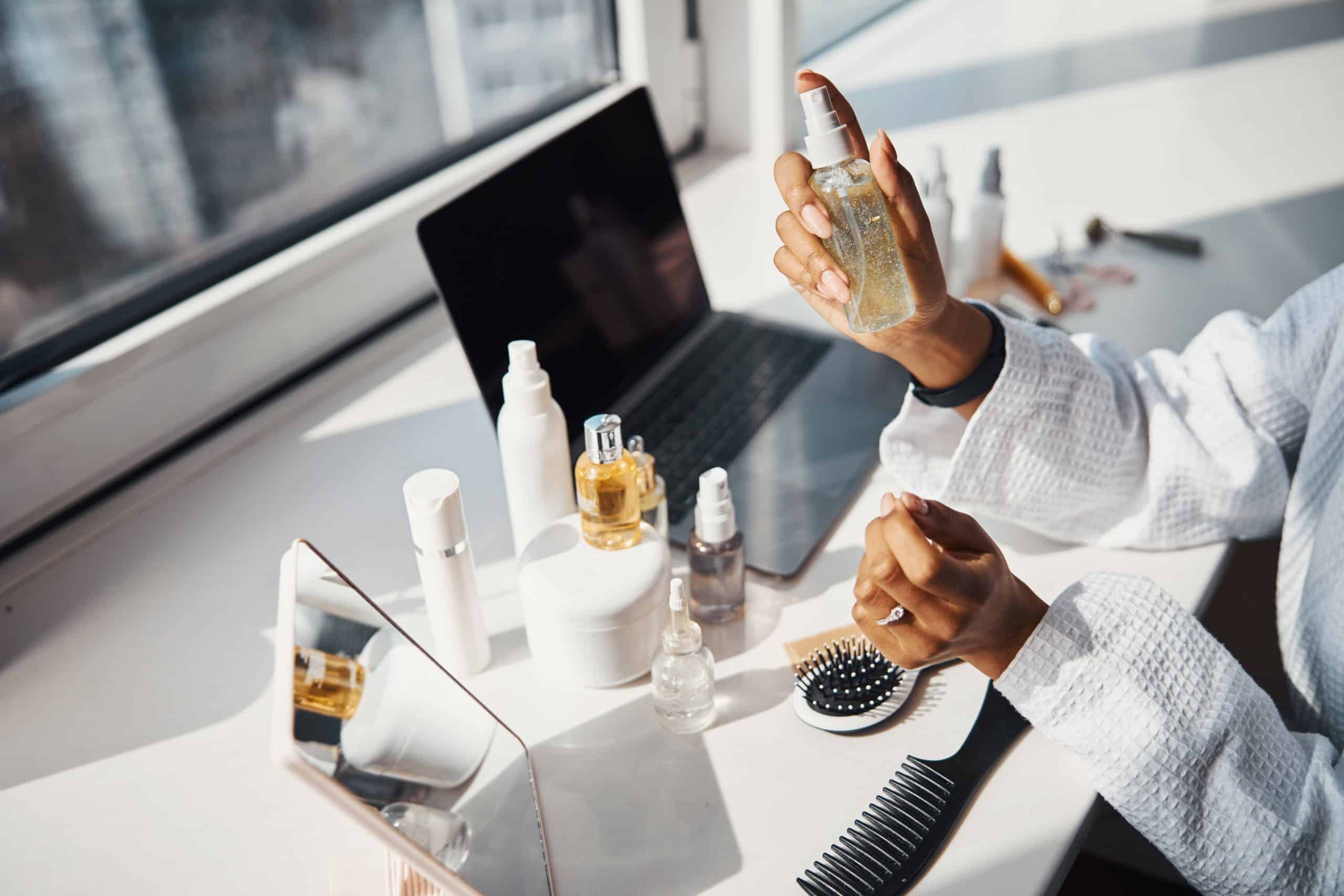
Starting a beauty business is an exciting opportunity, especially with the booming beauty market in Asia. With growth projected at a strong 6.7% annually from 2023 to 2027 across Asia and approximately 1.03% growth, specifically in Singapore, the potential for success is immense. So, if you’ve been thinking about taking the plunge into the beauty industry, now is a great time.

However, when starting a beauty business, it’s essential to consider what factors and strategies will support your brand’s growth and set it up for success.

How to Start a Beauty Business?

Starting a beauty business involves several steps to ensure your brand stands out and thrives in the market.

1. Choosing a Niche

When starting a beauty brand, finding a niche is important to stand out in a crowded market. Start by exploring what’s trending and where the gaps are. Is there a demand for natural skincare or perhaps a lack of inclusive beauty products? Tapping into these preferences or emerging trends will allow your brand to carve out a distinct image that can attract a dedicated customer base.

2. The Right Business Model

There are several business models to consider when starting a beauty brand, each with its benefits. Some examples of common business models include:

  • Brick-and-Mortar: A physical store allows you to create a personal, immersive experience where customers can interact with your products directly.
  • Online Retail: Running an online beauty business provides flexibility, lower overhead, and global reach, allowing you to connect with customers anytime, anywhere.
  • Affiliate Model: Partnering with influencers or bloggers lets you tap into their established audiences, driving sales with minimal investment.
  • Bricks and Clicks: Combining physical stores with an online presence ensures you reach in-person and digital customers, maximising your brand’s exposure.

3. Legal Structure of Your Business

Besides choosing the right business model, selecting the appropriate legal structure is critical for your beauty business. For instance, in Singapore, you can choose from several structures, such as:

  • Sole Proprietorship: Full control but no personal liability protection.
  • Partnership: Shared ownership and responsibility with one or more partners.
  • Limited Partnership (LP): Combines general partners with limited partners who have limited liability.
  • Limited Liability Partnership (LLP): Offers personal liability protection while allowing shared management.
  • Company (Corporation): Provides complete liability protection and can raise capital through shares.

Additionally, ensure your beauty business adheres to specific licensing requirements and industry regulations for health, safety, and product standards.

4. In-House Production or Contract Manufacturing

You’ll need to decide whether to produce your beauty products in-house or partner with a contract manufacturer.

In-house production gives you complete control over product quality and branding but requires significant investment in equipment, space, and expertise. If you’re not ready for that level of commitment, contract manufacturing is a practical solution. Partnering with an established beauty manufacturer allows you to leverage their experience in production, ensure consistent quality, and meet industry compliance standards.

5. Creating an Appealing Product Packaging

Your product packaging is a critical part of your brand identity. Appealing design not only attracts customers but also communicates the essence of your brand. Consider elements like colour, typography, and materials while ensuring clear labelling with essential product information.

A well-designed packaging can elevate your product’s perceived value, making it more appealing to customers and allowing you to set a higher price point.

6. Inventory Management

Running out of stock or overstocking can be a real headache, but with proper inventory management, you can avoid both and keep your business running smoothly. By staying on top of your stock levels, you’ll ensure customers never leave empty-handed.

Consider using inventory software and incorporating demand forecasting to help you keep track of stock levels and adjust orders as needed.

7. Distribution of Your Manufactured Beauty Products

Effective distribution is key to getting your beauty products into customers’ hands. For instance, you can leverage direct-to-consumer methods like online stores or retail partnerships with beauty salons, spas, or department stores. Whatever option you choose, ensure your distribution channels are reliable and scalable to meet demand.

8. Building a Strong Brand and Marketing Strategy

Once your products are ready, your website is live, and your operations are in place, it’s time to ramp up your marketing efforts. Building a strong brand image is vital to stand out in a competitive market.

If you’re running an online beauty business, consider investing in SEO. This approach can help your website rank higher in search results, making it easier for your target customers to find your products. You can also hire social media strategists to craft compelling content and grow your brand on platforms like Instagram, Facebook, and TikTok to reach a broader audience.

With these marketing efforts in place, you can possibly attract more customers, increase brand awareness, and create lasting loyalty for long-term growth.

Ready to Launch Your Beauty Business?

Starting a beauty business is an exciting journey, and with the right strategies in place, you can carve out your place in the market. To streamline the launch and establishment of your beauty brand, consider working with a custom beauty products manufacturer and digital marketer like Private Label Derma Lab (PLDL).

By partnering with professionals, you can access the guidance and support needed to bring your beauty products to market, build a strong online presence, and establish a solid foundation for growth.
beauty / beauty business / beauty consumer trends / beauty product trends / cosmetic filling and packaging / private label cosmetic manufacturers / starting a beauty business / trends in the beauty industry /

What is the Main Ingredient in Acne Products?

If you’re a skincare or beauty entrepreneur looking to develop anti-acne products for your brand, identifying what ingredients are good for acne treatment is vital to make informed decisions.

Ingredients for Acne Products

In acne product formulations, different ingredients serve specific purposes, from controlling oil to reducing inflammation. Understanding how each ingredient for acne works and how they align with your product’s goals is essential to ensure you develop solutions that meet your customers’ needs.

Acne Ingredient #1: Salicylic Acid

Salicylic acid is an active ingredient often used for products targeting mild to moderate pimple concerns. It works by exfoliating the skin, helping to unclog pores by removing dead skin cells and excess oil, which can otherwise contribute to acne breakouts.

It can be included in various formulations, such as cleansers, toners, serums, and spot treatments, making it a versatile option for creating comprehensive acne products.

Acne Ingredient #2: Benzoyl Peroxide

Benzoyl peroxide is an acne-fighting ingredient that reduces acne-causing bacteria on the skin. Preventing these bacteria’s growth helps minimise the risk of new acne breakouts, including cystic lesions. However, it can sometimes cause dryness or irritation when first used.

Thus, consider offering acne products with varying concentrations of benzoyl peroxide, as users are typically advised to start with a lower concentration and then gradually increase as their skin adjusts.

Acne Ingredient #3: Niacinamide

Another ingredient commonly found in acne products is niacinamide. This versatile compound can be used in various formulations, including serums, toners, moisturisers and masks.

Essentially, niacinamide helps calm inflammatory acne like papules and pustules. It also helps improve skin texture, enhance the skin’s barrier function, and reduce redness and hyperpigmentation, which can be common concerns for acne-prone skin.

Acne Ingredient #4: Azelaic Acid

Azelaic acid has antibacterial properties that help minimise the growth of bacteria associated with acne. It also has pigment-reducing qualities, potentially helping to even out skin tone and reduce the appearance of discolouration.

Furthermore, its gentle nature often makes it suitable for sensitive skin, offering an option for customers seeking a milder approach to acne treatment.

Acne Ingredient #5: Hyaluronic Acid

In acne treatments, hyaluronic acid works by maintaining skin hydration and preventing excessive dryness that can trigger an increase in oil production, leading to breakouts. Therefore, including hyaluronic acid in your acne product formulations can help you address your customers’ hydration needs and promote healthier-looking skin.

Acne Ingredient #6: Alpha Hydroxy Acids

Alpha hydroxy acids (AHAs) are formulations that help maintain clear skin by promoting gentle exfoliation. They help by removing dead skin cells that can clog pores, a factor in acne development. Moreover, getting rid of old skin layers may aid in minimising the visibility of acne scars, paving the way for newer, healthier skin to surface.

Acne Ingredient #7: Adapalene

Adapalene is a synthetic retinoid used in topical acne treatments. It regulates skin cell turnover, prevents clogged pores, and reduces inflammation. By influencing the skin’s natural renewal cycle, adapalene may help reduce acne formation over time.

It’s typically less irritating than other retinoids, making it suitable for sensitive skin formulations.

Ready to Build Your Anti-Acne Product Line?

As covered above, different acne ingredients offer distinct benefits and solutions for addressing acne concerns. If you need assistance formulating anti-acne products for your beauty business, consider partnering with skincare manufacturers like Private Label Derma Lab (PLDL), who use quality and organic ingredients to make your products stand out.

Reach out to an acne cleanser, toner, exfoliator, and serum manufacturer in Singapore to develop custom skincare formulations that align with your brand’s goals.

beauty product trends / cosmetic filling and packaging / custom skincare formulation / Face serum / oem cosmetic manufacturer singapore / oem skincare singapore / private label cosmetic manufacturers / private label skin care labs /

What is the Biggest Trend in the Beauty Industry?

The global beauty industry is not just growing; it’s thriving, with forecasts predicting it will reach an impressive revenue of US$648.40 billion in 2024. But what’s fueling this remarkable growth?

It boils down to beauty brands staying in tune with changing consumer preferences. By keeping up with the latest trends in the beauty industry and adapting swiftly, these companies ensure they’re always relevant and resonate with their customers.

Beauty Industry Trends

So, what is the biggest trend in the beauty industry that’s making waves right now?

1. Sustainability Meets Biotechnology

There’s a growing push towards using sustainable methods in the beauty industry to address environmental concerns, which are becoming an increasingly important factor in consumer purchase decisions.

Traditionally, even natural ingredients required large-scale farming and processes that weren’t always great for the environment. Biotechnology, however, combines biology and chemistry to cultivate skincare ingredients in controlled laboratories, offering a more sustainable alternative by reducing the need for extensive farming and minimising environmental strain.

2. Natural and Organic Ingredients

As environmental concerns continue to rise, consumers are turning to beauty products made with natural and organic ingredients to reduce their environmental impact.

Synthetic ingredients, often derived from petrochemicals, contribute to pollution during production and may release harmful substances into ecosystems. In contrast, natural and organic ingredients are typically sourced sustainably, decompose more easily, and are less likely to harm the environment, making them a more eco-friendly choice.

Beyond sustainability, health and wellness are also driving this change as consumers grow more aware of the potential risks associated with synthetic ingredients and seek gentler alternatives.

These factors are fueling the trend toward sustainable and natural beauty product alternatives.

3. Protective Personal Care Beauty Products

Another emerging beauty product trend is the growing popularity of skincare products that protect against environmental threats.

For instance, anti-pollution skincare products are increasingly sought after, especially in urban areas where high pollution levels expose the skin to harmful toxins. As consumers become more aware of how pollution contributes to premature ageing and skin damage, they are actively looking for products that shield against these effects.

Additionally, with heightened awareness of the damaging effects of UV, HEV, and IR radiation, consumers seek sunscreens that provide more than just sunburn prevention, prioritising all-around skin protection.

4. Social Media Engagements

Social media has become a significant tool in shaping beauty consumer trends, influencing what people buy and how they engage with brands. In fact, a previous study shows that influencers drive purchases for 57% of beauty consumers in Singapore, with 41% valuing influencer endorsements.

Businesses can leverage this opportunity by collaborating with social media influencers to promote their beauty products, potentially boosting sales and increasing brand awareness.

5. The Expansion of Men’s Beauty Products

While the beauty industry has long been centred on women, the men’s beauty sector is rapidly gaining traction. Nowadays, men are taking a greater interest in skincare to present themselves better.

Additionally, high-profile male celebrities like Brad Pitt and Harry Styles have launched their skincare product lines, sparking interest and conversations around men’s grooming. Their involvement appears to contribute to a growing acceptance of skincare routines among men, potentially influencing perceptions and encouraging others to explore beauty products.

6. Diverse and Inclusive Beauty Products

Diversity and inclusivity are becoming critical trends in the beauty industry, with growing demand for products that cater to various skin tones and needs of consumers.

Many beauty brands have faced criticism for lacking representation, prompting them to expand their offerings. By embracing inclusivity, brands can better connect with a broader audience and foster a sense of belonging for all consumers.

7. The Persistent Popularity of Anti-Ageing Products

The demand for anti-ageing products continues to rise, driven by an ageing population and increasing skincare and wellness awareness. According to DelveInsight Business Research LLP, the global anti-ageing products market is expected to surpass US$112 billion by 2030.

Notably, the Asia-Pacific region is predicted to lead the market during this period, reflecting the rising focus on skincare. To meet this growing demand, brands in the area may consider incorporating anti-ageing ingredients into their product lines, such as retinol, peptides, and collagens, to cater to consumers seeking to address visible signs of ageing and promote healthier, more youthful-looking skin.

Takeaways on Beauty Industry Trends

The beauty industry is undergoing rapid changes, with trends like sustainability, inclusivity, and progressive approaches in skincare reflecting shifts in consumer preferences and values. By aligning with these trends, brands can meet customer expectations, foster loyalty, and continue to thrive in a fast-changing marketplace.

Develop Beauty Products That Connect with Today’s Consumers

If you’re considering starting a beauty business or an established brand looking to remain competitive, working with a beauty product or skincare ingredients manufacturer in Singapore, like Private Label Derma Lab (PLDL), can help support your growth.

A certified skincare OEM manufacturer can help you align your products with industry trends, whether developing eco-friendly options, creating custom cosmetic formulations for diverse skin types, or addressing specific consumer concerns. Start making products that connect with modern beauty-conscious consumers today.

beauty / beauty consumer trends / beauty industry trends / beauty product trends / cosmetic labeling and packaging / custom cosmetic formulation / manufacture skin care / oem skincare singapore / trends in the beauty industry /

Categories

The Process Of Cosmetic Filling: What Beauty Brands Need To Know July 28, 2025
Top Ingredients To Look For In Private Label Skincare: What Matters For Serums, Sunscreens And Cleansers July 16, 2025
The Future Of Cosmetic Manufacturing: Trends Shaping The Beauty Industry July 9, 2025

Popular Tags

beauty / beauty business / beauty consumer trends / beauty industry trends / beauty product trends / cosmetic filling and packaging / cosmetic labeling and packaging / create your own shampoo / custom cosmetic formulation / custom skincare formulation / Face serum / hair treatment manufacturers / make your own hair products to sell / manufacture skin care / oem cosmetic manufacturer singapore / oem hair care products / oem skincare singapore / private label beauty products / Private Label Cosmetic / private label cosmetic manufacturers / Private label cosmetic products / private label hair care product manufacturers / private label shampoo manufacturers / private label skin care labs / private label skin care manufacturer / selling hair products / Skincare Formulation Laboratory / skincare manufacturer singapore / starting a beauty business / trends in the beauty industry / Vitamin C serum / white label skin care /