
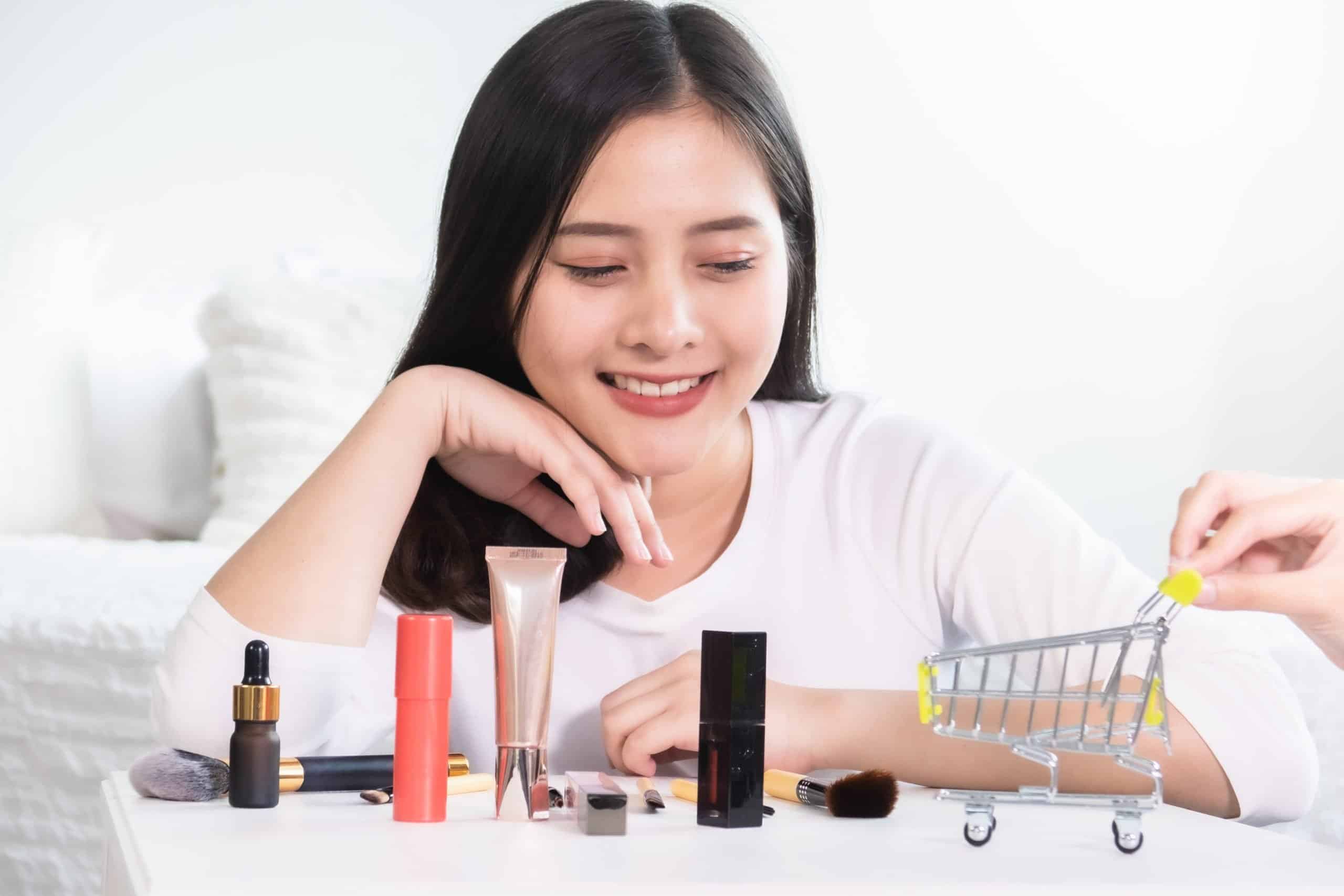
The global beauty industry is not just growing; it’s thriving, with forecasts predicting it will reach an impressive revenue of US$648.40 billion in 2024. But what’s fueling this remarkable growth?
It boils down to beauty brands staying in tune with changing consumer preferences. By keeping up with the latest trends in the beauty industry and adapting swiftly, these companies ensure they’re always relevant and resonate with their customers.
Beauty Industry Trends
So, what is the biggest trend in the beauty industry that’s making waves right now?
1. Sustainability Meets Biotechnology
There’s a growing push towards using sustainable methods in the beauty industry to address environmental concerns, which are becoming an increasingly important factor in consumer purchase decisions.
Traditionally, even natural ingredients required large-scale farming and processes that weren’t always great for the environment. Biotechnology, however, combines biology and chemistry to cultivate skincare ingredients in controlled laboratories, offering a more sustainable alternative by reducing the need for extensive farming and minimising environmental strain.
2. Natural and Organic Ingredients
As environmental concerns continue to rise, consumers are turning to beauty products made with natural and organic ingredients to reduce their environmental impact.
Synthetic ingredients, often derived from petrochemicals, contribute to pollution during production and may release harmful substances into ecosystems. In contrast, natural and organic ingredients are typically sourced sustainably, decompose more easily, and are less likely to harm the environment, making them a more eco-friendly choice.
Beyond sustainability, health and wellness are also driving this change as consumers grow more aware of the potential risks associated with synthetic ingredients and seek gentler alternatives.
These factors are fueling the trend toward sustainable and natural beauty product alternatives.
3. Protective Personal Care Beauty Products
Another emerging beauty product trend is the growing popularity of skincare products that protect against environmental threats.
For instance, anti-pollution skincare products are increasingly sought after, especially in urban areas where high pollution levels expose the skin to harmful toxins. As consumers become more aware of how pollution contributes to premature ageing and skin damage, they are actively looking for products that shield against these effects.
Additionally, with heightened awareness of the damaging effects of UV, HEV, and IR radiation, consumers seek sunscreens that provide more than just sunburn prevention, prioritising all-around skin protection.
4. Social Media Engagements
Social media has become a significant tool in shaping beauty consumer trends, influencing what people buy and how they engage with brands. In fact, a previous study shows that influencers drive purchases for 57% of beauty consumers in Singapore, with 41% valuing influencer endorsements.
Businesses can leverage this opportunity by collaborating with social media influencers to promote their beauty products, potentially boosting sales and increasing brand awareness.
5. The Expansion of Men’s Beauty Products
While the beauty industry has long been centred on women, the men’s beauty sector is rapidly gaining traction. Nowadays, men are taking a greater interest in skincare to present themselves better.
Additionally, high-profile male celebrities like Brad Pitt and Harry Styles have launched their skincare product lines, sparking interest and conversations around men’s grooming. Their involvement appears to contribute to a growing acceptance of skincare routines among men, potentially influencing perceptions and encouraging others to explore beauty products.
6. Diverse and Inclusive Beauty Products

Diversity and inclusivity are becoming critical trends in the beauty industry, with growing demand for products that cater to various skin tones and needs of consumers.
Many beauty brands have faced criticism for lacking representation, prompting them to expand their offerings. By embracing inclusivity, brands can better connect with a broader audience and foster a sense of belonging for all consumers.
7. The Persistent Popularity of Anti-Ageing Products
The demand for anti-ageing products continues to rise, driven by an ageing population and increasing skincare and wellness awareness. According to DelveInsight Business Research LLP, the global anti-ageing products market is expected to surpass US$112 billion by 2030.
Notably, the Asia-Pacific region is predicted to lead the market during this period, reflecting the rising focus on skincare. To meet this growing demand, brands in the area may consider incorporating anti-ageing ingredients into their product lines, such as retinol, peptides, and collagens, to cater to consumers seeking to address visible signs of ageing and promote healthier, more youthful-looking skin.
Takeaways on Beauty Industry Trends
The beauty industry is undergoing rapid changes, with trends like sustainability, inclusivity, and progressive approaches in skincare reflecting shifts in consumer preferences and values. By aligning with these trends, brands can meet customer expectations, foster loyalty, and continue to thrive in a fast-changing marketplace.
Develop Beauty Products That Connect with Today’s Consumers
If you’re considering starting a beauty business or an established brand looking to remain competitive, working with a beauty product or skincare ingredients manufacturer in Singapore, like Private Label Derma Lab (PLDL), can help support your growth.
A certified skincare OEM manufacturer can help you align your products with industry trends, whether developing eco-friendly options, creating custom cosmetic formulations for diverse skin types, or addressing specific consumer concerns. Start making products that connect with modern beauty-conscious consumers today.


