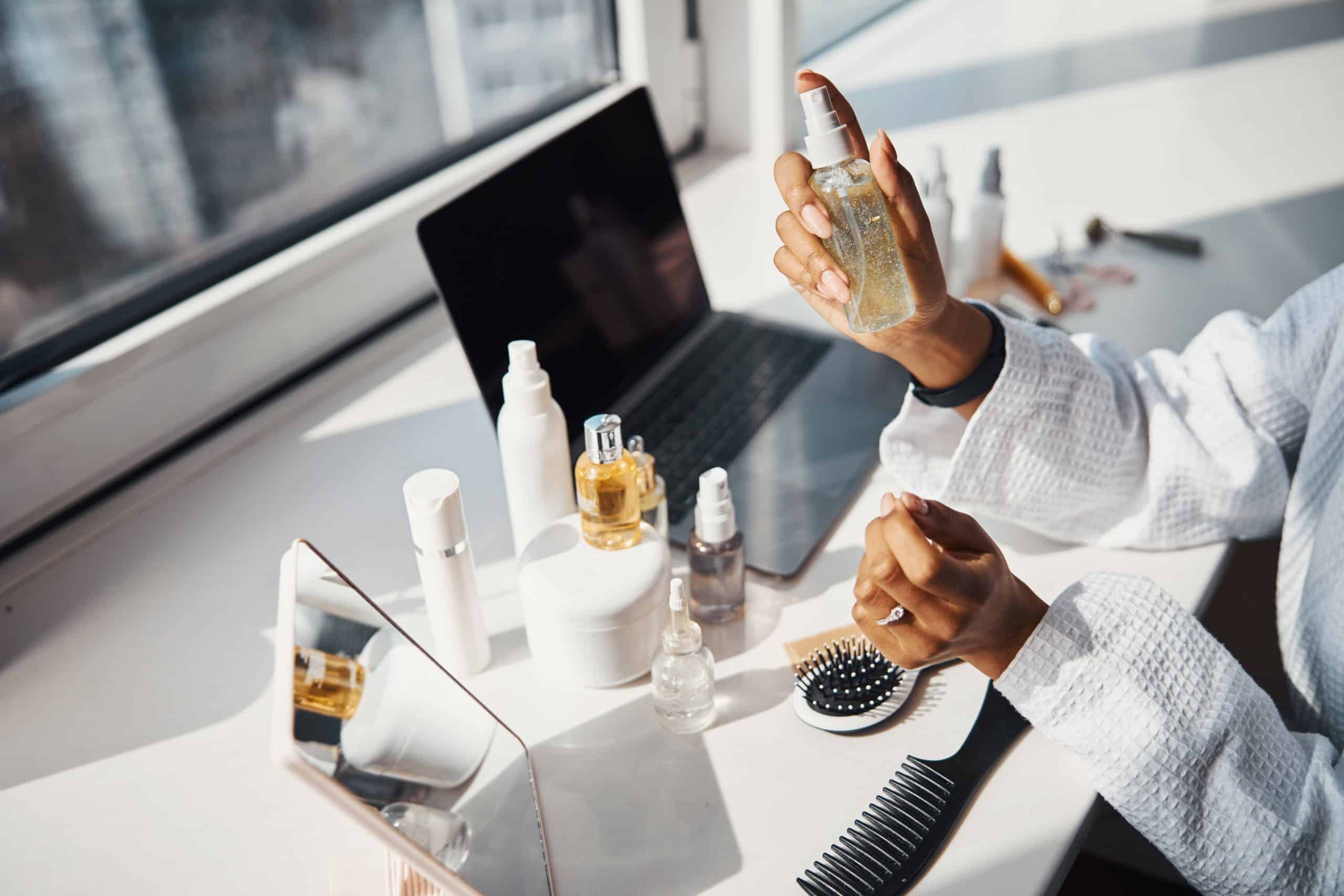
WELCOME TO PRIVATE LABEL DERMA LAB (PLDL)

What to Consider When Starting a Beauty Business?

Starting a beauty business is an exciting opportunity, especially with the booming beauty market in Asia. With growth projected at a strong 6.7% annually from 2023 to 2027 across Asia and approximately 1.03% growth, specifically in Singapore, the potential for success is immense. So, if you’ve been thinking about taking the plunge into the beauty industry, now is a great time.

However, when starting a beauty business, it’s essential to consider what factors and strategies will support your brand’s growth and set it up for success.

How to Start a Beauty Business?

Starting a beauty business involves several steps to ensure your brand stands out and thrives in the market.

1. Choosing a Niche

When starting a beauty brand, finding a niche is important to stand out in a crowded market. Start by exploring what’s trending and where the gaps are. Is there a demand for natural skincare or perhaps a lack of inclusive beauty products? Tapping into these preferences or emerging trends will allow your brand to carve out a distinct image that can attract a dedicated customer base.

2. The Right Business Model

There are several business models to consider when starting a beauty brand, each with its benefits. Some examples of common business models include:

  • Brick-and-Mortar: A physical store allows you to create a personal, immersive experience where customers can interact with your products directly.
  • Online Retail: Running an online beauty business provides flexibility, lower overhead, and global reach, allowing you to connect with customers anytime, anywhere.
  • Affiliate Model: Partnering with influencers or bloggers lets you tap into their established audiences, driving sales with minimal investment.
  • Bricks and Clicks: Combining physical stores with an online presence ensures you reach in-person and digital customers, maximising your brand’s exposure.

3. Legal Structure of Your Business

Besides choosing the right business model, selecting the appropriate legal structure is critical for your beauty business. For instance, in Singapore, you can choose from several structures, such as:

  • Sole Proprietorship: Full control but no personal liability protection.
  • Partnership: Shared ownership and responsibility with one or more partners.
  • Limited Partnership (LP): Combines general partners with limited partners who have limited liability.
  • Limited Liability Partnership (LLP): Offers personal liability protection while allowing shared management.
  • Company (Corporation): Provides complete liability protection and can raise capital through shares.

Additionally, ensure your beauty business adheres to specific licensing requirements and industry regulations for health, safety, and product standards.

4. In-House Production or Contract Manufacturing

You’ll need to decide whether to produce your beauty products in-house or partner with a contract manufacturer.

In-house production gives you complete control over product quality and branding but requires significant investment in equipment, space, and expertise. If you’re not ready for that level of commitment, contract manufacturing is a practical solution. Partnering with an established beauty manufacturer allows you to leverage their experience in production, ensure consistent quality, and meet industry compliance standards.

5. Creating an Appealing Product Packaging

Your product packaging is a critical part of your brand identity. Appealing design not only attracts customers but also communicates the essence of your brand. Consider elements like colour, typography, and materials while ensuring clear labelling with essential product information.

A well-designed packaging can elevate your product’s perceived value, making it more appealing to customers and allowing you to set a higher price point.

6. Inventory Management

Running out of stock or overstocking can be a real headache, but with proper inventory management, you can avoid both and keep your business running smoothly. By staying on top of your stock levels, you’ll ensure customers never leave empty-handed.

Consider using inventory software and incorporating demand forecasting to help you keep track of stock levels and adjust orders as needed.

7. Distribution of Your Manufactured Beauty Products

Effective distribution is key to getting your beauty products into customers’ hands. For instance, you can leverage direct-to-consumer methods like online stores or retail partnerships with beauty salons, spas, or department stores. Whatever option you choose, ensure your distribution channels are reliable and scalable to meet demand.

8. Building a Strong Brand and Marketing Strategy

Once your products are ready, your website is live, and your operations are in place, it’s time to ramp up your marketing efforts. Building a strong brand image is vital to stand out in a competitive market.

If you’re running an online beauty business, consider investing in SEO. This approach can help your website rank higher in search results, making it easier for your target customers to find your products. You can also hire social media strategists to craft compelling content and grow your brand on platforms like Instagram, Facebook, and TikTok to reach a broader audience.

With these marketing efforts in place, you can possibly attract more customers, increase brand awareness, and create lasting loyalty for long-term growth.

Ready to Launch Your Beauty Business?

Starting a beauty business is an exciting journey, and with the right strategies in place, you can carve out your place in the market. To streamline the launch and establishment of your beauty brand, consider working with a custom beauty products manufacturer and digital marketer like Private Label Derma Lab (PLDL).

By partnering with professionals, you can access the guidance and support needed to bring your beauty products to market, build a strong online presence, and establish a solid foundation for growth.
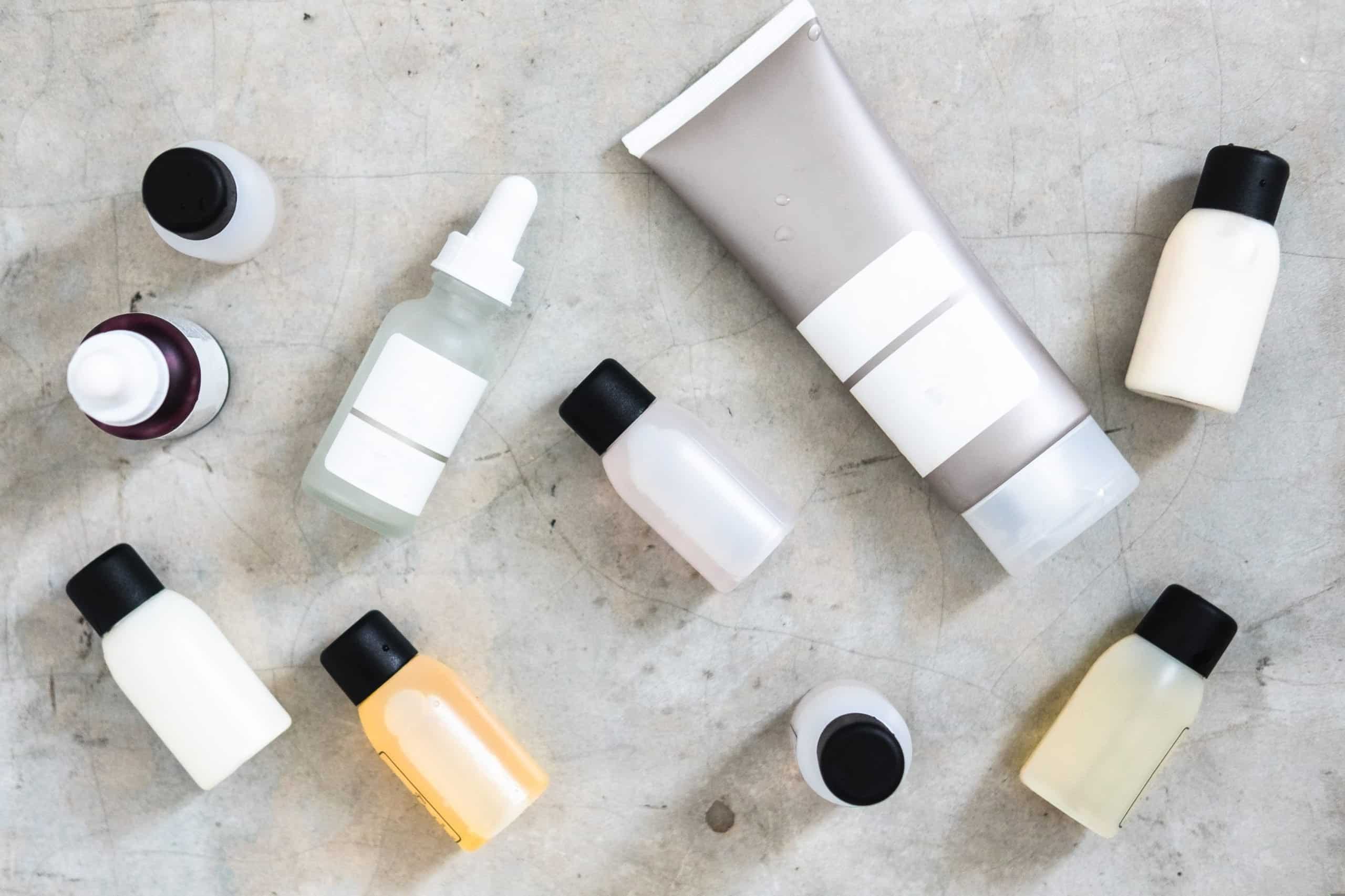
beauty / beauty business / beauty consumer trends / beauty product trends / cosmetic filling and packaging / private label cosmetic manufacturers / starting a beauty business / trends in the beauty industry /

What is the Main Ingredient in Acne Products?

If you’re a skincare or beauty entrepreneur looking to develop anti-acne products for your brand, identifying what ingredients are good for acne treatment is vital to make informed decisions.

Ingredients for Acne Products

In acne product formulations, different ingredients serve specific purposes, from controlling oil to reducing inflammation. Understanding how each ingredient for acne works and how they align with your product’s goals is essential to ensure you develop solutions that meet your customers’ needs.

Acne Ingredient #1: Salicylic Acid

Salicylic acid is an active ingredient often used for products targeting mild to moderate pimple concerns. It works by exfoliating the skin, helping to unclog pores by removing dead skin cells and excess oil, which can otherwise contribute to acne breakouts.

It can be included in various formulations, such as cleansers, toners, serums, and spot treatments, making it a versatile option for creating comprehensive acne products.

Acne Ingredient #2: Benzoyl Peroxide

Benzoyl peroxide is an acne-fighting ingredient that reduces acne-causing bacteria on the skin. Preventing these bacteria’s growth helps minimise the risk of new acne breakouts, including cystic lesions. However, it can sometimes cause dryness or irritation when first used.

Thus, consider offering acne products with varying concentrations of benzoyl peroxide, as users are typically advised to start with a lower concentration and then gradually increase as their skin adjusts.

Acne Ingredient #3: Niacinamide

Another ingredient commonly found in acne products is niacinamide. This versatile compound can be used in various formulations, including serums, toners, moisturisers and masks.

Essentially, niacinamide helps calm inflammatory acne like papules and pustules. It also helps improve skin texture, enhance the skin’s barrier function, and reduce redness and hyperpigmentation, which can be common concerns for acne-prone skin.

Acne Ingredient #4: Azelaic Acid

Azelaic acid has antibacterial properties that help minimise the growth of bacteria associated with acne. It also has pigment-reducing qualities, potentially helping to even out skin tone and reduce the appearance of discolouration.

Furthermore, its gentle nature often makes it suitable for sensitive skin, offering an option for customers seeking a milder approach to acne treatment.

Acne Ingredient #5: Hyaluronic Acid

In acne treatments, hyaluronic acid works by maintaining skin hydration and preventing excessive dryness that can trigger an increase in oil production, leading to breakouts. Therefore, including hyaluronic acid in your acne product formulations can help you address your customers’ hydration needs and promote healthier-looking skin.

Acne Ingredient #6: Alpha Hydroxy Acids

Alpha hydroxy acids (AHAs) are formulations that help maintain clear skin by promoting gentle exfoliation. They help by removing dead skin cells that can clog pores, a factor in acne development. Moreover, getting rid of old skin layers may aid in minimising the visibility of acne scars, paving the way for newer, healthier skin to surface.

Acne Ingredient #7: Adapalene

Adapalene is a synthetic retinoid used in topical acne treatments. It regulates skin cell turnover, prevents clogged pores, and reduces inflammation. By influencing the skin’s natural renewal cycle, adapalene may help reduce acne formation over time.

It’s typically less irritating than other retinoids, making it suitable for sensitive skin formulations.

Ready to Build Your Anti-Acne Product Line?

As covered above, different acne ingredients offer distinct benefits and solutions for addressing acne concerns. If you need assistance formulating anti-acne products for your beauty business, consider partnering with skincare manufacturers like Private Label Derma Lab (PLDL), who use quality and organic ingredients to make your products stand out.

Reach out to an acne cleanser, toner, exfoliator, and serum manufacturer in Singapore to develop custom skincare formulations that align with your brand’s goals.

beauty product trends / cosmetic filling and packaging / custom skincare formulation / Face serum / oem cosmetic manufacturer singapore / oem skincare singapore / private label cosmetic manufacturers / private label skin care labs /

How Design Influences Consumer Perception in the Beauty Industry

In recent years, the beauty industry has witnessed a seismic shift in consumer perception that has fundamentally transformed the market. Gone are the days when narrow standards of beauty and one-size-fits-all products dominated the scene. Today’s consumers are advocating for inclusivity, diversity, and authenticity in all facets of the beauty realm.

Besides, product design plays a crucial role in shaping consumer perception, especially in the highly competitive beauty industry. From the contours of custom skincare formulation packaging to the hues that adorn private label hair care products, every aspect of design works collectively to influence customers and their purchasing decisions.

cosmetic labeling and packaging - https://privatelabeldermalab.com/

Analysing Consumer Psyche Through Product Design:

Product design stands at the forefront of how consumers perceive beauty items—it acts as a silent ambassador of the brand’s values, culture, and creativity. The significance of product design in shaping consumer perception in the beauty industry cannot be overstated. It operates at the crossroads of art and commerce, where psychological cues and tangible features merge to create an impression that can either elevate or diminish a brand’s reputation. 

Understanding how product design influences consumer behaviour starts with aesthetics. Beauty products are not just judged on their functionality but also on their ability to appeal to the senses. Good design can create an emotional connection with the user. It speaks to their desired self-image, aspirations, and identity. When a customer encounters a beautifully packaged product, they project their expectations of quality, performance, and luxury onto it before even trying the contents within.

The colour psychology in product design plays an influential role; studies have shown that specific colours evoke particular emotions in people. A vibrant red lipstick case might signal boldness and confidence, while a pastel-hued eyeshadow palette might evoke feelings of softness and tranquillity. These visual signals communicate distinct messages about the product’s purpose and its alignment with personal attributes or moods consumers wish to express.

Texture also informs perception—smooth, weighty packaging could imply sophistication and value, whilst eco-friendly materials suggest a brand’s commitment to sustainability—a factor increasingly important to modern consumers.

Moreover, the shape and form of beauty products are critical for usability and desirability. Ergonomic designs that fit comfortably in one’s hand or compact shapes suited for on-the-go lifestyles meet practical needs while also underlining innovation—further ingraining a sense of brand trustworthiness.

Beyond the individual experience, product design in the beauty industry also affects social dynamics. Products are often used or displayed publicly—consider the act of reapplying lipstick at a cafe or showcasing a vanity filled with aesthetically pleasing skincare bottles on social media. In these scenarios, good design represents a form of social currency; it’s something consumers are proud to associate with and share with others.

oem cosmetic manufacturer singapore - https://privatelabeldermalab.com/skincare-filling-packaging-services-singapore/

Private Label Skincare Manufacturers Crafting Unique Brand Perceptions:

In the world of beauty and personal care, first impressions are paramount. When a consumer encounters a product, its design is the first point of communication. Private label skin care manufacturers are acutely aware of this reality, employing innovative strategies to make their items stand out on crowded shelves. The texture, colour, and shape of a product must not only appeal to aesthetic preferences but also embody the brand’s identity and values. This is where skilled skin care design and development consultants step in to create a visual narrative that speaks directly to consumers’ desires.

Custom skincare formulations are an example of how product design extends beyond mere aesthetics. When a brand chooses to offer bespoke solutions tailored to individual skin needs, the packaging must clearly convey this personalized approach. The way these items are presented can significantly impact how they are perceived; simple, clean designs can evoke a sense of professionalism and efficacy, while bold and vibrant packaging may suggest innovation and playfulness.

Private label hair care product manufacturers leverage design as a means of differentiating their offerings. By crafting distinctive bottles, labels, and branding elements specific to their formula’s benefits or ingredients, they can capture attention and make an indelible mark on potential consumers’ minds. As consumers navigate options within the sector, innovative and cohesive product design can turn a one-time buyer into a loyal advocate for the brand.

In essence, product design serves as the silent ambassador of a beauty brand. It communicates quality, functionality, and even the brand’s ethos before a consumer has even tried the product. Whether it’s signalling luxury with minimalist designs or championing sustainability with eco-friendly materials, each choice made in the design process holds the power to sway customer perceptions. For private label skin care manufacturers and hair care producers alike, investing in high-quality design is non-negotiable.

skincare design and development consultant - https://privatelabeldermalab.com/private-label-skincare-product-design-and-development-the-role-of-consultants-in-bringing-your-vision-to-life/

Summary:

Product design profoundly influences consumer perception in the beauty industry, serving as a non-verbal representation of a brand’s essence, from its ethical stance to its creative identity. Skincare design and development consultants play an instrumental role in manifesting a brand’s story through visual and tactile elements, allowing products to resonate with consumers’ aesthetics and values. Product designs crafted by reputed Private label skin care labs exude the distinctive character of the brand, ensuring that each product acts as an advocate for what the brand stands for. Private label skin care products leverage design for differentiation, striving to transform one-time purchasers into dedicated brand enthusiasts with every intentional detail from packaging to form.

cosmetic filling and packaging / cosmetic labeling and packaging / custom skincare formulation / manufacture skin care / oem cosmetic manufacturer singapore / oem skincare singapore /

The Power of Personalization: How OEM Cosmetic Manufacturers Can Elevate Your Brand

Over the past few years, there has been an incredible surge in the popularity and demand for OEM Cosmetic Manufacturers in Singapore. As people seek to express themselves more authentically and connect more deeply with their possessions, this trend has gained significant traction, changing the way businesses operate in various sectors – from fashion to technology. 

The Realm of Personalization:

One of the primary reasons for the rising interest in personalization is Singapore’s dynamic and multicultural population. With a diverse demographic makeup that includes various ethnicities, religions, and income levels, consumers are looking for ways to express their unique identities through the products they purchase. Personalized items not only cater to individual tastes but also allow consumers to feel more connected to their belongings. The rapid development of e-commerce platforms and digital technology has also played a crucial role in making personalization more accessible to customers. Online shopping platforms now provide an avenue for sellers to offer customizable products to their customers at competitive prices. From tailor-made apparel to custom-crafted accessories, and personalized skincare solutions – a wealth of choices are available, these days, for enthusiastic shoppers.

Additionally, social media platforms such as Instagram and Pinterest have become powerful tools for promoting personalized products as they showcase creative designs that inspire others to jump on the customization bandwagon. This phenomenon creates a snowball effect that leads to even more people becoming interested in tailor-made goods.

As consumer awareness about sustainability grows, eco-conscious Singaporeans are increasingly looking for unique products that reflect their values without harming the environment or society. Personalization offers an alternative approach that allows individuals to consume responsibly while still enjoying high-quality merchandise that aligns with their beliefs. Hence, businesses in Singapore have recognized this rising demand for personalization and are adapting their strategies accordingly. This not only enables them to build a loyal customer base but also sets them apart from competitors in an increasingly digital marketplace.

Brand Elevation with OEM Cosmetic Manufacturers:

In today’s fast-paced beauty industry, there is mounting pressure for brands to stay ahead of the curve and offer something unique to stand out among competitors. One way to achieve this competitive advantage is to collaborate with OEM cosmetic manufacturers, who can elevate a brand by offering customizations and developing personalized products. 

The first step in elevating your brand is to find a reliable partner for your cosmetics production. An OEM cosmetic manufacturer in Singapore offers a wide range of services such as formulation development, packaging design and production, and more. These manufacturers abide by strict quality control measures ensuring that your products are safe for consumers and meet the highest industry standards.

Private label skin care labs are essential partners when it comes to offering truly personalized products. These labs specialize in creating high-quality products tailored to the specific needs of different customer groups. They collaborate closely with brands on product formulations aimed at targeting various skin concerns like acne, dryness, or anti-aging. By partnering with a private label skin care manufacturer, you can offer your customers unique skincare experiences, driving customer loyalty towards your brand. Customization is key when it comes to setting your brand apart from others on the market. Custom cosmetic formulation enables you to create a product range that caters directly to the desires of your target audience. With access to expert formulators specializing in custom skincare formulation, you can create exclusive, innovative, and, most importantly, effective products that will distinguish your brand from others.

Developing personalized products involves more than just a unique formula; packaging design plays a significant role in conveying your brand’s identity and attracting customers. A well-designed product packaging sets the tone for the overall customer experience. OEM cosmetic manufacturers often have in-house design teams that can help you create eye-catching and functional packaging that complements your product range and aligns with your brand identity.

Key Benefits of OEM collaboration:

OEM (Original Equipment Manufacturer) collaboration can be particularly beneficial for brands focused on customization, and looking to offer personalized products. 

Some of the advantages of such a partnership are:

  • OEMs are experts at product development, and brands can create custom products that capture the brand’s essence and please customers. This sets brands apart from competitors and builds brand recognition. 
  • OEMs can produce exclusive offerings through their manufacturing expertise, so brands can offer unique products that can’t be obtained elsewhere or through other outlets. 
  • Quick prototyping allows brands to test and revise products for effective R&D before going to market. 
  • Scalable production ensures that supply can match demand and brand growth, all while maintaining high-quality customization crucial to consumer satisfaction. 
  • Trustworthy OEMs safeguard intellectual property, guaranteeing that unique brand attributes are protected and kept exclusive to the brand. 
  • Brands can respond quickly to market trends and consumer preferences by partnering with the right OEM, thus staying relevant and adaptive to consumers’ needs.

Summary:

In Singapore, personalized products are in high demand due to a diverse society valuing individuality and sustainability. Businesses collaborate with OEM cosmetic manufacturers to create unique offerings for this market. This strategy boosts brand image and differentiates them from competitors. Personalization offers innovation opportunities for companies while empowering consumers. Overall, it strengthens the alignment between lifestyles, values, and self-expression.

cosmetic filling and packaging / cosmetic labeling and packaging / custom cosmetic formulation / oem cosmetic manufacturer singapore / oem skincare singapore /

Breaking Down the Myths: Common Misconceptions About OEM Cosmetic Manufacturing

The beauty industry has experienced a significant shift, in recent years, with an increasing number of consumers seeking out environmentally friendly and ethically conscious products, which has led to the growing popularity of OEM cosmetic manufacturing in Singapore. As a response to this demand for high-quality and trustworthy products, many global and local companies are now turning to OEM cosmetic manufacturers in Singapore for their private label skin care manufacturing needs. OEM cosmetic manufacturers in Singapore offer a wealth of advantages for entrepreneurs and enterprises looking to enter the thriving beauty market. Innovative technology, stringent quality control measures, and a focus on customer satisfaction are some of the driving factors behind their meteoric rise in popularity.

Debunking OEM Cosmetic Manufacturing Myths

Though OEM cosmetic manufacturing has gained significant attention in Singapore, largely due to the rising demand for custom cosmetic formulations and unique products, many misconceptions have cropped up that can deter or confuse interested buyers. 

Key Aspects include:

  • Quality

Myth: Some may believe that cosmetics manufactured in Singapore or other Asian countries are of lower quality compared to Western brands.

Truth: Singapore’s OEM cosmetic manufacturing adheres to stringent quality standards and regulatory compliance, often matching or exceeding international benchmarks.

  • Service Options

Myth: There’s a misconception that OEM manufacturers in Singapore only perform basic manufacturing.

Truth: Singaporean OEM manufacturers offer comprehensive services, from R&D, and product development, to packaging and branding, not just basic manufacturing.

  • Cost

Myth: As Singapore is known for its higher living costs, many people think that OEM manufacturing costs are high as well. 

Truth: Despite Singapore’s reputation for a higher cost of living, its manufacturing sector is competitive, offering cost-effective solutions due to high efficiency and productivity. 

  • Flexibility

Myth: Some might think that Singaporean OEMs can only handle large-scale productions. 

Truth: Many manufacturers are quite flexible and can cater to both large and small-scale, niche brands.

  • Innovation

Myth: There’s a belief that OEM manufacturers don’t innovate, they simply produce what they’re told or only replicate existing products. 

Truth: Many OEM companies in Singapore invest heavily in R&D and stay on the cutting edge of cosmetic trends and technology. Private label skin care manufacturers often work closely with clients to create custom skincare formulations and develop products as per the client’s unique needs.

  • Collaboration Process

Myth: The notion that collaborating with an OEM manufacturer in Singapore can be a complex affair often discourages some individuals.

Truth: Singaporean OEMs are known for their ease of doing business and can provide expert guidance throughout the process.

  • Time-to-Market

Myth: It’s a common thought that OEM manufacturing slows down product launch timelines. 

Truth: Experienced OEMs in Singapore can streamline production and help speed up the time-to-market due to their efficiency and expertise.

  • Sustainability

Myth: Many people have a misconception that OEM manufacturing is not environmentally friendly. 

Truth: Sustainability is increasingly prioritized, with many Singaporean OEMs implementing eco-friendly practices and technologies.

  • Potential Clients

Myth: Small businesses or start-ups sometimes think that OEM services are only for large corporations. 

Truth: Many Singaporean OEMs cater to businesses of all sizes, offering scalable services and tailored solutions to start-ups, SMEs as well as large enterprises.

Conclusion:

The shift towards environmentally friendly and ethically conscious products has fuelled the growth of OEM cosmetic manufacturing in Singapore. Debunking the myths surrounding quality, service options, cost, flexibility, innovation, collaboration process, time-to-market, sustainability, and potential clients showcases how Singaporean OEM cosmetic manufacturers serve as valuable partners for businesses of all sizes. It is essential to look beyond misconceptions and recognize the potential that the OEM cosmetic industry in Singapore offers in terms of innovation, expertise, and adherence to stringent quality standards. By doing so, entrepreneurs and enterprises can successfully navigate the thriving beauty market and make a lasting impact on an increasingly discerning consumer base.

cosmetic filling and packaging / cosmetic labeling and packaging / custom cosmetic formulation / oem cosmetic manufacturer singapore / skincare manufacturer singapore /

Categories

The Process Of Cosmetic Filling: What Beauty Brands Need To Know July 28, 2025
Top Ingredients To Look For In Private Label Skincare: What Matters For Serums, Sunscreens And Cleansers July 16, 2025
The Future Of Cosmetic Manufacturing: Trends Shaping The Beauty Industry July 9, 2025

Popular Tags

beauty / beauty business / beauty consumer trends / beauty industry trends / beauty product trends / cosmetic filling and packaging / cosmetic labeling and packaging / create your own shampoo / custom cosmetic formulation / custom skincare formulation / Face serum / hair treatment manufacturers / make your own hair products to sell / manufacture skin care / oem cosmetic manufacturer singapore / oem hair care products / oem skincare singapore / private label beauty products / Private Label Cosmetic / private label cosmetic manufacturers / Private label cosmetic products / private label hair care product manufacturers / private label shampoo manufacturers / private label skin care labs / private label skin care manufacturer / selling hair products / Skincare Formulation Laboratory / skincare manufacturer singapore / starting a beauty business / trends in the beauty industry / Vitamin C serum / white label skin care /